


As a supplier of Lowe Insulated Glass, I've witnessed firsthand the growing demand for energy - efficient and high - performance glazing solutions in the construction industry. In this blog, I'll compare Lowe Insulated Glass with insulated glazing units featuring different coatings, exploring their unique characteristics, advantages, and applications.
Understanding Lowe Insulated Glass
Lowe Insulated Glass, also known as Low - E (Low Emissivity) Insulated Glass, is a type of energy - efficient glazing that consists of two or more glass panes separated by a spacer and filled with an insulating gas such as argon or krypton. The key feature of Lowe Insulated Glass is the application of a microscopically thin, transparent low - emissivity coating on one or more of the glass surfaces. This coating is designed to reflect infrared radiation, reducing the transfer of heat through the glass.
One of the primary benefits of Lowe Insulated Glass is its ability to significantly improve the energy efficiency of buildings. By reducing heat loss in the winter and heat gain in the summer, it helps to lower heating and cooling costs. Additionally, Lowe Insulated Glass can enhance indoor comfort by reducing drafts and temperature variations near windows. It also provides excellent protection against harmful UV rays, which can fade furniture, carpets, and artwork over time.
Insulated Glazing Units with Different Coatings
There are several types of coatings used in insulated glazing units, each with its own set of properties and performance characteristics. Let's take a closer look at some of the most common ones:
Solar - Control Coatings
Solar - control coatings are designed to reduce the amount of solar heat gain entering a building. These coatings work by reflecting or absorbing a portion of the sun's infrared and visible light. They are particularly useful in warm climates or buildings with large south - or west - facing windows. Solar - control coatings can help to keep indoor spaces cooler, reducing the need for air conditioning and lowering energy consumption. However, they may also reduce the amount of natural light entering the building, which could be a drawback in some applications.
Anti - Reflective Coatings
Anti - reflective coatings are used to minimize the reflection of light from the surface of the glass. This can improve the clarity of the view through the glass and reduce glare, making it ideal for applications such as display cases, museum exhibits, and high - end residential windows. Anti - reflective coatings can also enhance the aesthetic appeal of the glass by making it appear more transparent. However, they do not provide significant energy - saving benefits on their own.

Self - Cleaning Coatings
Self - cleaning coatings are a relatively new innovation in the glazing industry. These coatings are designed to break down organic dirt and debris when exposed to sunlight, making the glass easier to clean. They work by using a photocatalytic process that converts water into a thin, spreading film, which helps to wash away dirt. Self - cleaning coatings can reduce maintenance costs and keep windows looking clean and clear for longer periods. However, their effectiveness may be limited in areas with heavy pollution or where the glass is not exposed to direct sunlight for extended periods.
Performance Comparison
When comparing Lowe Insulated Glass with insulated glazing units featuring different coatings, several performance factors need to be considered:
Energy Efficiency
In terms of energy efficiency, Lowe Insulated Glass generally outperforms most other types of insulated glazing units. The low - emissivity coating effectively reduces heat transfer, resulting in lower energy consumption for heating and cooling. Solar - control coatings can also contribute to energy savings by reducing solar heat gain, but they may not be as effective as Lowe Insulated Glass in cold climates or during the winter months. Anti - reflective and self - cleaning coatings have little to no impact on energy efficiency.
Visible Light Transmission
Lowe Insulated Glass typically offers a good balance between energy efficiency and visible light transmission. The low - emissivity coating allows a significant amount of natural light to enter the building while still providing effective heat insulation. Solar - control coatings may reduce visible light transmission, especially if they are designed to block a large portion of the sun's energy. Anti - reflective coatings, on the other hand, can improve visible light transmission by reducing reflection. Self - cleaning coatings do not have a significant impact on visible light transmission.
UV Protection
Lowe Insulated Glass provides excellent protection against UV rays, which can cause damage to interior furnishings and materials. The low - emissivity coating blocks a large percentage of UV radiation, helping to preserve the color and integrity of indoor items. Solar - control coatings may also offer some UV protection, but their effectiveness can vary depending on the specific coating formulation. Anti - reflective and self - cleaning coatings do not provide significant UV protection.
Applications
The choice of insulated glazing unit depends on the specific requirements of the building and its location. Here are some common applications for Lowe Insulated Glass and other types of coated insulated glazing units:
Residential Buildings
In residential buildings, Lowe Insulated Glass is a popular choice for its energy - saving benefits and indoor comfort. It can be used in all types of windows, including single - hung, double - hung, casement, and sliding windows. Solar - control coatings may be a good option for homes in warm climates or with large south - or west - facing windows. Anti - reflective coatings can enhance the aesthetic appeal of high - end residential windows, while self - cleaning coatings can reduce maintenance effort.
Commercial Buildings
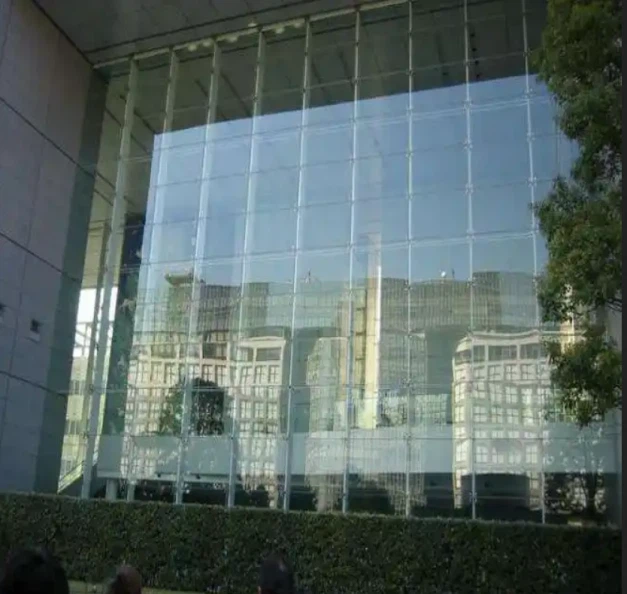
Commercial buildings often require high - performance glazing solutions to meet energy codes and provide a comfortable working environment. Lowe Insulated Glass is widely used in commercial applications, such as office buildings, retail stores, and hotels. Solar - control coatings are commonly used in large commercial buildings with extensive glass facades to reduce solar heat gain and energy consumption. Anti - reflective coatings can be beneficial in areas where clear visibility is important, such as conference rooms and display areas. Self - cleaning coatings can be a practical choice for commercial buildings with hard - to - reach windows.
Specialized Applications
For specialized applications, such as Window Insulated Glass, Vacuum Insulated Glass, and Insulated Laminated Glass, the choice of glazing unit will depend on the specific performance requirements. Vacuum insulated glass, for example, offers extremely high thermal insulation and is suitable for applications where energy efficiency is of utmost importance. Insulated laminated glass provides enhanced safety and security and is often used in areas where there is a risk of breakage or intrusion.
Conclusion
In conclusion, Lowe Insulated Glass is a versatile and high - performance glazing solution that offers excellent energy efficiency, indoor comfort, and UV protection. While insulated glazing units with different coatings, such as solar - control, anti - reflective, and self - cleaning coatings, have their own unique advantages, they may not provide the same level of overall performance as Lowe Insulated Glass.
If you're in the market for high - quality insulated glazing solutions, I encourage you to consider Lowe Insulated Glass for your next project. Whether you're building a new home, renovating an existing building, or working on a commercial project, our team of experts can help you select the right glazing product to meet your specific needs. Contact us today to start a conversation about your requirements and explore how Lowe Insulated Glass can enhance the energy efficiency, comfort, and aesthetics of your building.
References
- "Glazing Handbook" - A comprehensive guide to different types of glazing and their performance characteristics.
- "Energy - Efficient Windows and Doors" - Published by the U.S. Department of Energy, this resource provides information on the latest technologies and best practices for energy - efficient glazing.
- Industry reports and studies on the performance of various insulated glazing units and coatings.


