


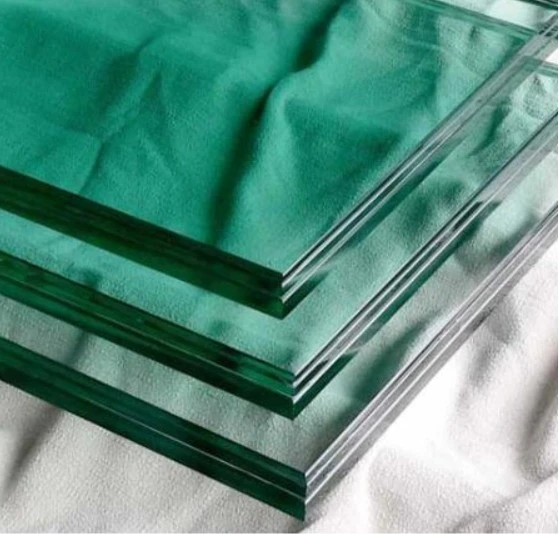
As a trusted supplier of window laminated glass, I'm often asked about the various printing methods that can be used on this type of glass. Window laminated glass is a popular choice for many applications due to its safety, durability, and aesthetic appeal. Printing on it can enhance its functionality and visual appeal. In this blog post, I'll explore some of the most common printing methods suitable for window laminated glass.
Screen Printing
Screen printing is one of the oldest and most widely used printing methods for glass. It involves creating a stencil (or screen) with the desired design, and then forcing ink through the open areas of the screen onto the glass surface. This method is known for its ability to produce high - quality, durable prints with a wide range of colors.
The process begins with the preparation of the screen. A fine mesh is stretched over a frame, and the areas where the ink should not pass through are blocked off using a photosensitive emulsion. Once the screen is ready, it is placed on the glass surface, and ink is applied. A squeegee is then used to push the ink through the open areas of the screen, transferring the design onto the glass.
One of the main advantages of screen printing on window laminated glass is its durability. The ink adheres well to the glass surface, and the prints can withstand harsh environmental conditions, including exposure to sunlight, moisture, and temperature changes. This makes it suitable for both indoor and outdoor applications. For example, in commercial buildings, screen - printed window laminated glass can be used to create branding elements or decorative patterns that last for years.
However, screen printing also has some limitations. The setup process can be time - consuming and expensive, especially for small - scale production. Additionally, the resolution of the prints may be limited compared to some other printing methods.
Digital Printing
Digital printing has revolutionized the printing industry in recent years, and it has also found its way into the glass printing market. This method uses inkjet technology to apply ink directly onto the glass surface. The design is first created using a computer - aided design (CAD) software, and then the digital printer sprays tiny droplets of ink onto the glass according to the design.
One of the biggest advantages of digital printing on window laminated glass is its flexibility. It allows for the creation of highly detailed and complex designs with a wide range of colors. Unlike screen printing, there is no need for a stencil, which means that changes to the design can be made quickly and easily. This makes it ideal for custom - made projects, such as Display Case Laminated Glass, where unique designs are often required.
Digital printing also offers a high level of precision. The ink droplets can be controlled very accurately, resulting in sharp and clear prints. Moreover, the setup time for digital printing is relatively short, making it a cost - effective option for small - to - medium - scale production.
However, digital printing on glass also has some challenges. The ink used in digital printing may not be as durable as that used in screen printing, especially when exposed to harsh environmental conditions. Additionally, the cost of digital printing equipment and ink can be relatively high.
Ceramic Printing
Ceramic printing is another popular method for printing on window laminated glass. This method involves applying ceramic inks to the glass surface and then firing the glass in a kiln at a high temperature. The high - temperature firing process causes the ceramic inks to fuse with the glass, creating a permanent and highly durable print.
Ceramic printing offers excellent resistance to scratches, abrasion, and chemical damage. The prints can also withstand high temperatures, making them suitable for applications where the glass may be exposed to heat, such as in some industrial settings or near heating elements.
In terms of aesthetics, ceramic printing can produce a wide range of colors and finishes, including matte, gloss, and textured effects. This makes it a versatile option for creating both decorative and functional prints on window laminated glass. For example, in architectural applications, ceramic - printed glass can be used to create privacy screens or energy - efficient glazing.
However, ceramic printing requires specialized equipment and expertise. The firing process needs to be carefully controlled to ensure that the glass does not crack or warp. Additionally, the setup time and cost for ceramic printing can be relatively high, especially for small - scale production.
UV Printing
UV printing is a relatively new technology that has gained popularity in the glass printing industry. This method uses ultraviolet (UV) - curable inks, which are applied to the glass surface using an inkjet printer. Once the ink is applied, it is immediately cured using UV light, which causes the ink to harden and adhere to the glass.
One of the main advantages of UV printing on window laminated glass is its fast curing time. This allows for high - speed production, making it suitable for large - scale projects. The UV - curable inks also offer good adhesion to the glass surface and can produce high - quality prints with a wide range of colors and finishes.

UV printing is also environmentally friendly compared to some other printing methods. The UV - curable inks do not contain solvents, which means that they do not emit volatile organic compounds (VOCs) during the printing process. This makes it a more sustainable option for glass printing.
However, UV printing may have some limitations. The cost of the UV - curable inks can be relatively high, and the equipment required for UV printing can also be expensive. Additionally, the prints may be more susceptible to damage from scratches and abrasion compared to some other printing methods.
Choosing the Right Printing Method
When choosing a printing method for window laminated glass, several factors need to be considered. These include the design requirements, the quantity of production, the intended application, and the budget.
If you need a highly durable and long - lasting print, especially for outdoor applications, ceramic printing or screen printing may be the best options. For small - scale production or custom - made designs, digital printing or UV printing may be more suitable due to their flexibility and relatively short setup time.
As a window laminated glass supplier, I can help you choose the most appropriate printing method for your specific needs. Whether you are looking for a simple decorative pattern or a complex branding element, we have the expertise and resources to provide you with high - quality printed window laminated glass.
In addition to the printing methods mentioned above, we also offer a variety of window laminated glass products, such as Handrail Tempered Laminated Glass and Anti - slip Tempered Laminated Glass. These products are designed to meet the highest safety and quality standards, and they can be customized with different printing options to suit your requirements.
If you are interested in our window laminated glass products or have any questions about the printing methods, please feel free to contact us. We are always happy to discuss your project and provide you with a detailed quotation. Our team of experts will work closely with you to ensure that you get the best possible solution for your needs.
Conclusion
In conclusion, there are several printing methods available for window laminated glass, each with its own advantages and limitations. Screen printing offers durability, digital printing provides flexibility, ceramic printing ensures high - temperature resistance, and UV printing allows for fast production. By understanding the characteristics of each method and considering your specific requirements, you can choose the most suitable printing method for your window laminated glass project.
As a reliable supplier of window laminated glass, I am committed to providing high - quality products and excellent customer service. If you are looking for printed window laminated glass for your next project, don't hesitate to reach out. We look forward to working with you and helping you bring your vision to life.
References
- Glass Association of North America. (2023). Glass Printing Technologies. Retrieved from [Glass Association of North America official website].
- International Window Film Association. (2023). Advancements in Glass Printing. Retrieved from [International Window Film Association official website].


