


As a seasoned supplier of tempered glass doors, I am often asked about the moisture resistance of these products. In this blog post, I'll delve into the intricacies of tempered glass door moisture resistance, exploring the factors that influence it, its practical implications, and how it stands up in various environments.
Understanding Tempered Glass
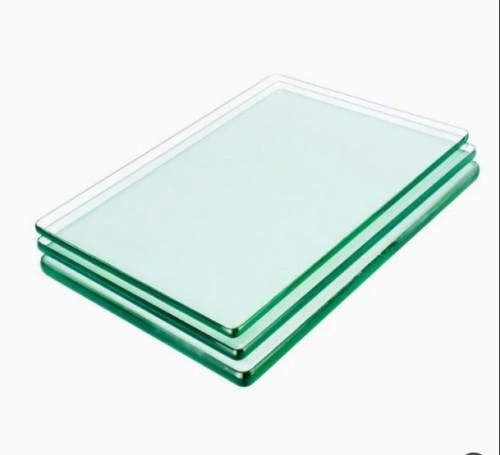
Before we dive into moisture resistance, let's briefly understand what tempered glass is. Tempered glass is a type of safety glass that is processed by controlled thermal or chemical treatments to increase its strength compared to normal glass. This process involves heating the glass to a high temperature and then rapidly cooling it. The result is a glass that is up to five times stronger than regular glass and, when broken, shatters into small, relatively harmless pieces instead of large, sharp shards.
Moisture Resistance Basics
Tempered glass, by its very nature, has a high degree of moisture resistance. Glass is an inorganic material composed mainly of silica (SiO₂), which is chemically inert to water under normal conditions. Water molecules do not react with the glass structure, so the glass itself does not absorb moisture. This means that tempered glass doors are inherently resistant to the damaging effects of water absorption, such as swelling, warping, or rotting, which are common problems with materials like wood.

Factors Affecting Moisture Resistance
While tempered glass is highly resistant to moisture, several factors can influence how well a tempered glass door performs in a moist environment:
Sealing and Framing
The effectiveness of the seals and frames around the tempered glass door plays a crucial role in its moisture resistance. A well - sealed door prevents water from seeping into the areas around the glass, where it could cause issues such as mold growth or corrosion of the frame materials. High - quality seals made from rubber or silicone can provide an excellent barrier against moisture. For example, in a bathroom or a coastal area, a door with proper sealing will keep the interior dry and protect the surrounding structures.
Edgework
The edges of the tempered glass are more vulnerable to moisture penetration compared to the main surface. If the edges are not properly finished or protected, water can seep into the glass through micro - cracks or pores at the edges. A smooth, polished edge finish reduces the risk of moisture ingress. Additionally, edge seals can be applied to further enhance moisture resistance.
Environmental Conditions
The environment in which the tempered glass door is installed also affects its moisture resistance. In a humid climate, the door will be exposed to higher levels of moisture in the air. Coastal areas, for instance, have not only high humidity but also salt - laden air, which can be corrosive to the door's frame and hardware. In such conditions, special coatings or finishes may be required to protect the door.
Practical Implications of Moisture Resistance
The moisture resistance of tempered glass doors has several practical benefits:
Durability
Since tempered glass does not absorb moisture, it is less likely to deteriorate over time due to water damage. This means that the door will maintain its structural integrity and appearance for a longer period. In commercial buildings or high - traffic areas, a durable tempered glass door can withstand years of use without significant wear and tear caused by moisture.
Hygiene
In areas where hygiene is crucial, such as hospitals, kitchens, or bathrooms, the moisture resistance of tempered glass doors is a significant advantage. Water does not accumulate on the glass surface, reducing the risk of mold and mildew growth. This makes the door easier to clean and maintain a hygienic environment.
Aesthetics
Moisture - resistant tempered glass doors retain their clarity and transparency over time. They do not develop water stains or cloudiness, which can be a problem with some other materials. This ensures that the door continues to enhance the aesthetic appeal of the space in which it is installed.
Applications in Moist Environments
Tempered glass doors are suitable for a wide range of applications in moist environments:
Bathroom Doors
In bathrooms, where there is constant exposure to steam and water splashes, tempered glass doors are an ideal choice. They are easy to clean, resistant to water damage, and can add a modern and elegant touch to the bathroom decor. Roof Tempered Glass can also be used in some high - end bathroom designs where a unique look is desired.
Garden Enclosures
For garden enclosures, Garden Tempered Glass doors are perfect. They can withstand the elements, including rain and humidity, while allowing plenty of natural light to enter the enclosure. The moisture resistance ensures that the doors do not warp or rot, even when exposed to the outdoor environment for extended periods.

Curtain Wall Applications
In commercial buildings, Curtain Wall Tempered Glass doors are used to create a modern and energy - efficient facade. These doors need to be highly resistant to moisture, as they are exposed to the elements on the exterior of the building. The moisture resistance helps to maintain the integrity of the curtain wall system and prevents water from entering the building.
Testing and Certification
To ensure the moisture resistance of tempered glass doors, they are often subjected to various tests. These tests can simulate different environmental conditions, such as high humidity, heavy rain, or salt - spray exposure. Doors that meet certain standards and pass these tests are usually certified, which provides assurance to customers about the quality and performance of the product.
Conclusion
In conclusion, the moisture resistance of tempered glass doors is one of their key advantages. The inherent properties of tempered glass, combined with proper sealing, edgework, and coatings, make these doors suitable for a wide range of applications in moist environments. Whether it's a bathroom, a garden enclosure, or a commercial building curtain wall, tempered glass doors offer durability, hygiene, and aesthetic appeal.
If you are in the market for high - quality tempered glass doors with excellent moisture resistance, I invite you to reach out to discuss your specific requirements. Our team of experts can provide you with detailed information and help you choose the right door for your project.
References
- ASTM International. (Year). Standard Test Methods for Evaluating the Moisture Resistance of Glass Products.
- Glass Association of North America. (Year). Technical Guidelines for the Installation of Tempered Glass Doors in Moist Environments.


