


In the realm of interior design, the minimalist style has emerged as a timeless and influential aesthetic. Characterized by simplicity, functionality, and a focus on essential elements, minimalist interiors create a sense of calm and spaciousness. As a stained tempered glass supplier, I often get asked whether stained tempered glass is suitable for a minimalist - style interior. In this blog post, I'll explore the various aspects of this question and offer insights into how stained tempered glass can fit into minimalist design schemes.
Understanding Minimalist Style
Minimalist interior design is based on the principle of "less is more." It emphasizes clean lines, uncluttered spaces, and a limited color palette, typically dominated by neutral tones such as white, black, gray, and beige. The goal is to create an environment that is both visually appealing and functional, where every element serves a purpose and contributes to the overall harmony of the space.
In a minimalist interior, furniture and decor are carefully selected to be simple and understated. There is a preference for open floor plans, large windows to let in natural light, and a sense of fluidity between different areas of the room. The use of materials is also crucial, with a focus on high - quality, durable substances that have a smooth and refined finish.
Characteristics of Stained Tempered Glass
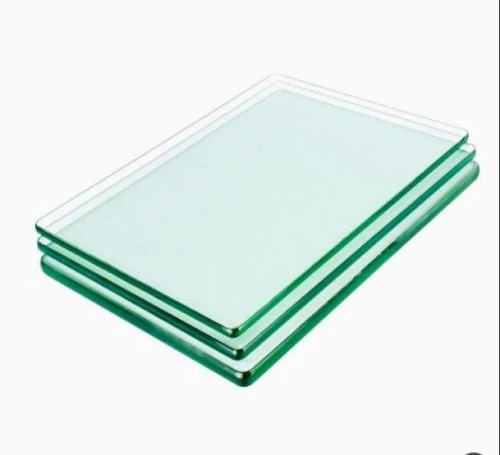
Stained tempered glass is a unique material that combines the strength and safety of tempered glass with the aesthetic appeal of stained glass. Tempered glass is processed through a heating and rapid cooling process, which makes it several times stronger than regular glass and less likely to break. When it does break, it shatters into small, relatively harmless pieces instead of sharp shards.

The staining process adds color and pattern to the glass. This can range from subtle, monochromatic tints to bold, multi - colored designs. The color is infused into the glass, ensuring that it is long - lasting and resistant to fading. Stained tempered glass can be customized in terms of color, pattern, and transparency, making it a versatile option for a variety of applications.
Advantages of Using Stained Tempered Glass in Minimalist Interiors
1. Aesthetic Enhancement
One of the primary advantages of stained tempered glass in a minimalist interior is its ability to add a touch of color and visual interest without overwhelming the space. In a predominantly neutral color palette, a strategically placed stained glass panel can serve as a focal point. For example, a stained glass partition in a living room can introduce a pop of color that enlivens the area while still maintaining the overall simplicity of the design.
The patterns and textures in stained tempered glass can also add depth and dimension to a room. A [Pattern Tempered Glass]( /construction - glass/tempered - glass/pattern - tempered - glass.html) with a subtle geometric design can create a sense of movement and intrigue, complementing the clean lines of minimalist furniture.
2. Light Manipulation
Natural light is a key element in minimalist design. Stained tempered glass can be used to manipulate light in a creative way. It can filter and diffuse sunlight, creating a soft, warm glow in the room. This is particularly useful in spaces where direct sunlight may be too harsh. For instance, [Frost Tempered Glass]( /construction - glass/tempered - glass/frost - tempered - glass.html) can be used in windows or doors to provide privacy while still allowing light to pass through. The colored glass can also change the quality of light, adding a unique atmosphere to the space.

3. Functional Versatility
Stained tempered glass is not only aesthetically pleasing but also highly functional. It can be used in a variety of applications, such as partitions, doors, windows, backsplashes, and even furniture elements. In a minimalist kitchen, a stained glass backsplash can protect the wall from splashes while adding a decorative touch. As a partition, it can separate different areas of a room without creating a sense of enclosure, maintaining the open - plan feel that is characteristic of minimalist design.
Potential Challenges and Considerations
1. Color and Pattern Selection
While stained tempered glass can enhance a minimalist interior, the choice of color and pattern is crucial. In a minimalist setting, it's important to avoid overly complex or busy designs that may clash with the simplicity of the overall aesthetic. Subtle, monochromatic or geometric patterns are often more suitable. For example, a single - color stained glass panel in a muted tone can blend seamlessly with the neutral color scheme, while a more complex pattern may need to be carefully balanced with other elements in the room.
2. Maintenance
Stained tempered glass requires regular maintenance to keep it looking its best. Fingerprints, dust, and stains can accumulate on the surface, especially in high - traffic areas. However, with proper cleaning products and techniques, it can be easily maintained. It's important to use non - abrasive cleaners to avoid scratching the glass.
3. Cost
Compared to regular glass, stained tempered glass can be more expensive. This is due to the additional processing and customization involved in the staining process. However, the long - term benefits, such as its durability and aesthetic appeal, may justify the higher cost. In a minimalist interior, where quality materials are often preferred, the investment in stained tempered glass can contribute to the overall value and longevity of the design.
Applications of Stained Tempered Glass in Minimalist Interiors
1. Curtain Walls
In modern minimalist architecture, curtain walls are a popular feature. [Curtain Wall Tempered Glass]( /construction - glass/tempered - glass/curtain - wall - tempered - glass.html) can be used to create a sleek and sophisticated facade. Stained tempered glass curtain walls can add color and character to a building's exterior while still maintaining the minimalist aesthetic. The transparency of the glass allows for a connection between the interior and exterior spaces, while the staining can provide privacy and reduce glare.

2. Interior Partitions
Interior partitions made of stained tempered glass can divide large open spaces into smaller, functional areas without sacrificing the sense of openness. For example, in a minimalist office layout, a stained glass partition can separate the work area from the meeting room. The glass allows light to pass through, keeping the space bright and airy, while the color and pattern add a touch of style.
3. Furniture Elements
Stained tempered glass can also be incorporated into furniture design. A coffee table with a stained glass top can become a statement piece in a living room. The transparency of the glass gives the impression of lightness, while the stain adds color and visual interest. Similarly, a glass bookshelf with stained glass panels can enhance the overall look of a study or library.
Conclusion
In conclusion, stained tempered glass can be a suitable and valuable addition to a minimalist - style interior. Its aesthetic versatility, ability to manipulate light, and functional applications make it a great choice for designers and homeowners looking to add a unique touch to their spaces. However, careful consideration must be given to color, pattern, maintenance, and cost.
If you're interested in incorporating stained tempered glass into your minimalist interior project, I encourage you to reach out to discuss your specific needs. As a stained tempered glass supplier, I have the expertise and resources to provide you with high - quality products that meet your design requirements. Whether it's a small residential project or a large commercial development, we can work together to create a space that combines the beauty of stained tempered glass with the simplicity of minimalist design.
References
- Pile, Frank. "An Introduction to Interior Design." Prentice Hall, 2009.
- Kostelnik, Mary K., and Susan E. Sodomka. "Interior Design: A Foundation Course." McGraw - Hill, 2015.
- International Association of Certified Home Inspectors. "Tempered Glass: A Guide for Homeowners." Available at IACHI official website.


