


What is the maximum size of office insulated glass available?
As a leading supplier of Office Insulated Glass, I often get asked about the maximum size of office insulated glass that is available in the market. This is a crucial question for architects, interior designers, and building contractors who are looking to create large - scale, modern office spaces with expansive glass facades.
The size of office insulated glass is primarily determined by several factors, including manufacturing capabilities, transportation limitations, and installation requirements. Let's delve into each of these aspects to understand how they influence the maximum available size.
Manufacturing Capabilities
The production of insulated glass involves multiple steps, from cutting the glass sheets to sealing them together with a spacer and filling the cavity with an insulating gas such as argon or krypton. The machinery used in the manufacturing process plays a significant role in determining the maximum size of the glass that can be produced.
Most modern glass manufacturing plants are equipped with large - scale cutting, washing, and sealing machines. However, there are practical limits to the size of the glass that these machines can handle. For example, the cutting tables in a glass factory may have a maximum length and width that they can accommodate. Generally, the maximum size of a single glass sheet that can be cut and processed in a standard manufacturing facility ranges from 3.66 meters (12 feet) to 6.096 meters (20 feet) in length and 2.44 meters (8 feet) to 3.66 meters (12 feet) in width.
When it comes to creating insulated glass units, which consist of two or more glass panes separated by a spacer, the manufacturing process becomes more complex. The spacer needs to be precisely cut and installed around the edges of the glass panes, and the sealing process must ensure an air - tight and water - tight seal. These operations are more challenging to perform on larger glass units, and the risk of defects increases as the size of the glass increases.
Transportation Limitations
Even if a glass manufacturer can produce large - sized insulated glass units, transporting them to the construction site can be a significant challenge. The size and weight of the glass units need to comply with transportation regulations. Most trucks and trailers have a maximum payload capacity and size restrictions.
For instance, the maximum width of a load that can be transported on public roads in many countries is limited to around 2.5 meters (8.2 feet). This means that any glass unit wider than this may require special permits and escort vehicles, which can add to the transportation cost and complexity. Additionally, the length of the glass unit also needs to be considered, as longer glass units are more difficult to handle and secure during transportation.
Moreover, glass is a fragile material, and the risk of breakage during transportation increases with the size of the glass unit. Special packaging and handling procedures are required to ensure that the glass arrives at the construction site in one piece. These additional precautions can also impact the overall cost and feasibility of transporting large - sized insulated glass.
Installation Requirements
Installing large - sized insulated glass units in an office building is a complex task that requires specialized equipment and skilled labor. The weight of the glass units increases with their size, and the installation team needs to have the appropriate lifting and positioning equipment to safely install the glass.
For example, large glass facades may require the use of cranes or other heavy - duty lifting equipment to hoist the glass units into place. The installation process also needs to ensure that the glass is properly aligned and sealed to prevent air and water leakage. This requires a high level of precision and expertise, especially when dealing with large - scale installations.
In addition, the structural integrity of the building needs to be considered. The building's frame and support structure must be able to withstand the weight and wind loads exerted by the large glass units. Any miscalculation in the structural design can lead to safety issues and long - term problems with the building.
Available Sizes in the Market
Despite the challenges mentioned above, the market does offer a range of sizes for office insulated glass. In general, standard sizes for office insulated glass units range from small, window - sized units to large, custom - made panels.
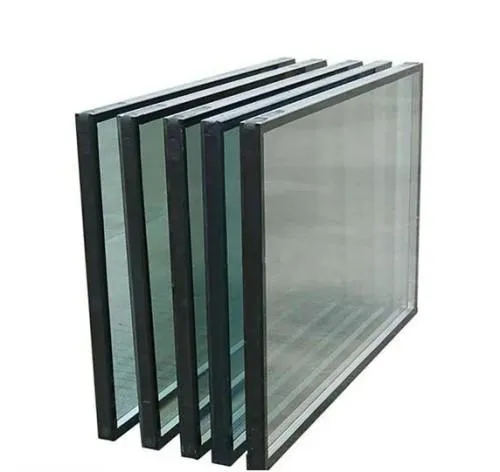

The most common sizes for office windows are typically around 1.2 meters (4 feet) to 1.8 meters (6 feet) in width and 1.5 meters (5 feet) to 2.4 meters (8 feet) in height. These sizes are relatively easy to manufacture, transport, and install.
However, for more ambitious office projects, larger sizes are also available. Some manufacturers can produce insulated glass units up to 3.66 meters (12 feet) in width and 6.096 meters (20 feet) in height. These large - sized glass units are often used in commercial buildings with modern, open - plan designs and large glass facades.
In addition to the standard Office Insulated Glass, there are also other types of insulated glass available in the market, such as Lowe Insulated Glass and Vacuum Insulated Glass. Lowe Insulated Glass has a low - emissivity coating that helps to reduce heat transfer, while Vacuum Insulated Glass has a vacuum - sealed cavity between the glass panes, providing superior insulation performance. These types of insulated glass are also available in a range of sizes, with similar limitations based on manufacturing, transportation, and installation factors.
Custom - Made Solutions
For projects that require glass units larger than the standard sizes, many glass suppliers, including our company, offer custom - made solutions. We work closely with architects, designers, and contractors to understand their specific requirements and develop a solution that meets their needs.
Our manufacturing facilities are equipped with advanced technology and machinery that allow us to produce glass units up to a maximum size of [state the actual maximum size your company can produce]. We also have a team of experienced engineers and technicians who can ensure that the custom - made glass units are of the highest quality and meet all the necessary safety and performance standards.
In addition, we have established partnerships with reliable transportation companies that specialize in handling large and fragile loads. This allows us to safely transport the custom - made glass units to the construction site, regardless of the size and location.
Conclusion
The maximum size of office insulated glass available is influenced by a combination of manufacturing capabilities, transportation limitations, and installation requirements. While there are practical limits to the size of glass that can be produced, transported, and installed, the market does offer a range of sizes to meet the needs of different office projects.
As a supplier of Office Insulated Glass, we are committed to providing our customers with high - quality glass solutions that are tailored to their specific requirements. Whether you are looking for standard - sized glass units or custom - made panels for a large - scale office building, we have the expertise and resources to meet your needs.
If you are planning an office construction or renovation project and need insulated glass, we encourage you to contact us to discuss your requirements. Our team of experts will be happy to provide you with detailed information, product samples, and a competitive quote. Let us help you create a modern and energy - efficient office space with our high - quality insulated glass.
References
- Glass Association of North America (GANA). (Year). Glass Manufacturing and Installation Guidelines.
- Transportation Research Board. (Year). Regulations for the Transportation of Oversize and Overweight Loads.
- International Building Code (IBC). (Year). Structural Design Requirements for Building Envelopes.


