


As a supplier of Window Insulated Glass, I've had the privilege of working closely with greenhouse owners and construction professionals. Greenhouses are essential for modern agriculture, providing a controlled environment for plant growth regardless of external weather conditions. The choice of window insulated glass plays a crucial role in the overall performance of a greenhouse. In this blog, I'll discuss the key requirements for window insulated glass in greenhouses.
Thermal Insulation
One of the primary requirements for window insulated glass in greenhouses is excellent thermal insulation. Greenhouses need to maintain a stable internal temperature to support plant growth. During cold weather, the glass should prevent heat from escaping, reducing the energy required for heating. Conversely, in hot weather, it should minimize heat gain, keeping the interior cool.
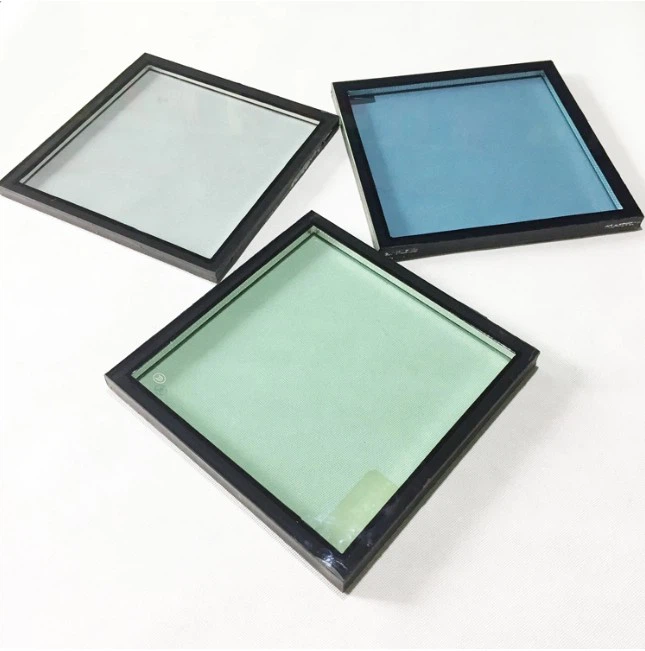
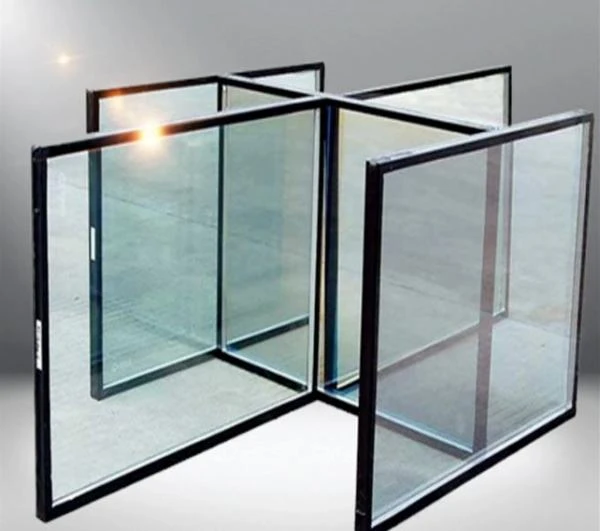
Our Roof Insulated Glass is designed to provide superior thermal insulation. It consists of multiple glass panes separated by a sealed air or gas-filled space. This design creates a barrier that reduces heat transfer through conduction, convection, and radiation. Argon gas is often used in the insulating space because it has lower thermal conductivity than air, further enhancing the insulation properties.
Light Transmission
Another critical requirement is high light transmission. Plants rely on sunlight for photosynthesis, the process by which they convert light energy into chemical energy to fuel their growth. Therefore, the window insulated glass should allow as much natural light as possible to enter the greenhouse.
Clear glass is a popular choice for greenhouse windows because it offers excellent light transmission. However, it's important to balance light transmission with the need for thermal insulation. Some types of coated glass can reduce heat transfer while still maintaining high light transmission. For example, low-emissivity (Low-E) coatings can reflect infrared radiation, reducing heat gain or loss, without significantly affecting visible light transmission.
Durability
Greenhouses are exposed to various environmental factors, including extreme temperatures, humidity, and UV radiation. The window insulated glass must be durable enough to withstand these conditions over an extended period.
Our glass products are made from high-quality materials that are resistant to scratches, impact, and chemical corrosion. The seals used in the insulated glass units are designed to prevent moisture and gas leakage, ensuring long-term performance. Additionally, the glass is treated to resist UV radiation, which can cause yellowing and degradation over time.
Condensation Resistance
Condensation can be a problem in greenhouses, as it can reduce light transmission and create a favorable environment for the growth of mold and mildew. The window insulated glass should have good condensation resistance to prevent the formation of water droplets on the inner surface of the glass.
Proper insulation and ventilation can help reduce condensation. The insulated glass units should be designed with a sufficient air gap to prevent temperature differences between the inner and outer surfaces of the glass. Additionally, some types of coated glass can reduce condensation by promoting better heat transfer and reducing the likelihood of surface temperatures dropping below the dew point.
Noise Reduction
In some cases, greenhouses may be located in noisy environments, such as near roads or industrial areas. The window insulated glass can help reduce noise transmission, creating a more comfortable working environment for greenhouse operators.
The multiple layers of glass and the sealed air or gas-filled space in the insulated glass units can act as a sound barrier, reducing the transmission of airborne noise. Our Vacuum Insulated Glass offers even better noise reduction performance because the vacuum between the glass panes eliminates the possibility of sound transmission through air molecules.
Structural Integrity
The window insulated glass must have sufficient structural integrity to support its own weight and withstand external forces, such as wind and snow loads. The glass is typically installed in frames, and the frames must be properly designed and installed to ensure the stability of the glass.
Our glass products are tested to meet strict structural standards. We offer a range of glass thicknesses and configurations to suit different greenhouse applications. For larger greenhouses or those located in areas with high wind or snow loads, we may recommend using thicker glass or additional support structures.
Easy Maintenance
Maintaining the window insulated glass in a greenhouse is essential for its long-term performance. The glass should be easy to clean and maintain, with minimal effort required to keep it in good condition.
Our glass products are designed with smooth surfaces that are easy to clean. They are also resistant to dirt and grime, reducing the frequency of cleaning. Additionally, the seals and frames are designed for easy access, allowing for quick and simple maintenance tasks.
Compatibility with Greenhouse Design
The window insulated glass should be compatible with the overall design of the greenhouse. It should fit seamlessly into the frames and complement the architectural style of the structure.
We offer a variety of glass shapes and sizes to meet different greenhouse design requirements. Our team of experts can work with you to select the right glass for your specific application, ensuring that it meets all the necessary requirements while also enhancing the aesthetic appeal of your greenhouse.
Energy Efficiency
In today's environmentally conscious world, energy efficiency is a top priority for greenhouse owners. The window insulated glass can play a significant role in reducing energy consumption by minimizing heat transfer.
By choosing our energy-efficient glass products, you can lower your greenhouse's heating and cooling costs, making it more sustainable and cost-effective in the long run. Our glass can also help reduce your carbon footprint by reducing the amount of energy required to maintain the greenhouse's internal temperature.
Conclusion
In conclusion, the requirements for window insulated glass in greenhouses are diverse and complex. It needs to provide excellent thermal insulation, high light transmission, durability, condensation resistance, noise reduction, structural integrity, easy maintenance, compatibility with greenhouse design, and energy efficiency.
As a leading supplier of Window Insulated Glass, we understand these requirements and offer a wide range of products that meet the highest standards. Our Roof Insulated Glass, Vacuum Insulated Glass, and Curtain Wall Insulated Glass are designed to provide optimal performance in greenhouse applications.
If you're in the market for window insulated glass for your greenhouse, we'd love to hear from you. Contact us today to discuss your specific requirements and learn more about our products and services. We look forward to helping you create a successful and sustainable greenhouse environment.
References
- "Greenhouse Glazing: A Guide to Choosing the Right Material." University of Minnesota Extension.
- "Insulated Glass for Greenhouses: Benefits and Considerations." Glass Association of North America.
- "The Importance of Light Transmission in Greenhouses." Royal Horticultural Society.


