


As a leading supplier of office insulated glass, I'm often asked about the manufacturing process behind this essential building material. Office insulated glass plays a crucial role in enhancing energy efficiency, reducing noise, and improving the overall comfort of office spaces. In this blog post, I'll take you through the detailed manufacturing process of office insulated glass, from raw materials to the finished product.
Raw Materials
The first step in the manufacturing process is to source the high - quality raw materials. The primary material for insulated glass is, of course, glass. We typically use soda - lime glass, which is widely available and offers excellent optical clarity and durability. This type of glass is made by melting a mixture of silica sand, soda ash, limestone, and other additives at high temperatures.
In addition to glass, we also need a spacer system. The spacer is a crucial component that separates the two or more glass panes in an insulated glass unit (IGU). It is usually made of aluminum, stainless steel, or a composite material. The spacer not only provides a physical separation but also contains a desiccant, which helps to absorb any moisture that might enter the unit, preventing condensation from forming between the glass panes.
Another important raw material is the sealant. Sealants are used to bond the glass panes to the spacer and to create an airtight seal around the perimeter of the IGU. There are different types of sealants available, such as polysulfide, silicone, and butyl rubber. Each type of sealant has its own advantages and is selected based on the specific requirements of the project.
Cutting and Edging
Once the raw materials are sourced, the glass sheets are cut to the desired size and shape. This is typically done using a computer - controlled cutting machine, which ensures high precision and accuracy. The cutting process involves scoring the glass surface with a diamond - tipped cutter and then breaking the glass along the scored line.
After cutting, the edges of the glass sheets are smoothed and polished. This is an important step because rough edges can cause stress concentration, which may lead to glass breakage. Edging is usually done using a grinding wheel or a polishing machine, which removes any sharp edges and creates a smooth finish.
Spacer Preparation
The spacer system needs to be prepared before it can be assembled with the glass panes. First, the spacer is cut to the appropriate length to match the dimensions of the glass sheets. Then, the desiccant is inserted into the spacer channels. The desiccant is a moisture - absorbing material that helps to keep the interior of the IGU dry.
Next, the spacer is bent into a rectangular or square shape, depending on the shape of the glass sheets. The corners of the spacer are then joined together using a corner key or a welding process to create a continuous frame.
Assembly
The assembly process is where the different components of the IGU come together. First, a layer of primary sealant, usually butyl rubber, is applied to the outer surface of the spacer. This primary sealant acts as a moisture barrier and provides an initial bond between the glass and the spacer.
Then, the glass sheets are carefully placed on either side of the spacer frame. The glass sheets are aligned with the spacer to ensure a proper fit. Once the glass sheets are in place, a secondary sealant is applied around the perimeter of the IGU. The secondary sealant provides additional strength and durability to the IGU and helps to maintain the airtight seal.
Gas Filling (Optional)
In some cases, the space between the glass panes is filled with an inert gas, such as argon or krypton. These gases have lower thermal conductivity than air, which helps to improve the insulating properties of the IGU. Gas filling is typically done using a specialized gas - filling machine, which evacuates the air from the space between the glass panes and then fills it with the desired gas.
Quality Control
Quality control is an essential part of the manufacturing process. After the IGU is assembled, it undergoes a series of tests to ensure that it meets the required standards. These tests include visual inspection, gas leakage testing, and thermal performance testing.
Visual inspection is used to check for any visible defects, such as scratches, cracks, or uneven sealant application. Gas leakage testing is performed to ensure that the IGU has an airtight seal and that there is no leakage of the inert gas (if applicable). Thermal performance testing is used to measure the U - value (thermal transmittance) of the IGU, which indicates how well the glass unit insulates against heat transfer.
Different Types of Office Insulated Glass
There are several types of office insulated glass available, each with its own unique features and benefits.
Vacuum Insulated Glass is a high - performance type of insulated glass that uses a vacuum between the glass panes to achieve excellent thermal insulation. The vacuum eliminates the transfer of heat by conduction and convection, resulting in a very low U - value.
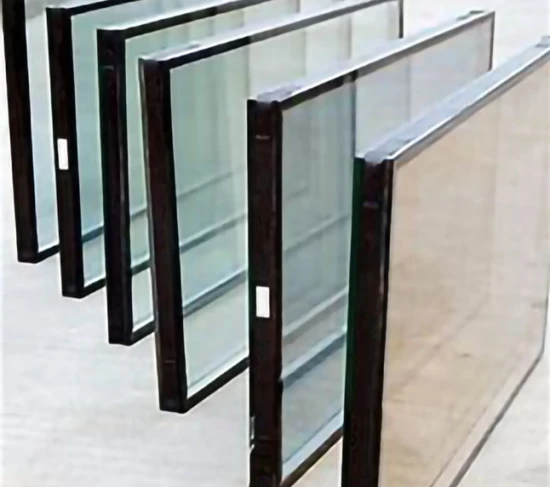
Double Glazed Glass is the most common type of insulated glass used in office buildings. It consists of two glass panes separated by a spacer and an air or gas - filled cavity. Double - glazed glass provides good thermal insulation and noise reduction.
Reflective Insulated Glass has a special coating that reflects a significant amount of solar radiation. This helps to reduce the amount of heat entering the building, which can lower energy costs and improve the comfort of the occupants.
Conclusion
The manufacturing process of office insulated glass is a complex and precise operation that involves multiple steps and high - quality materials. From sourcing the raw materials to the final quality control checks, every step is crucial to ensure the production of a high - performance and durable IGU.
As a supplier of office insulated glass, we are committed to providing our customers with the best - quality products that meet their specific needs. Whether you are looking for energy - efficient vacuum insulated glass, noise - reducing double - glazed glass, or heat - reflecting reflective insulated glass, we have the expertise and resources to deliver.
If you are interested in purchasing office insulated glass for your next project, we would be happy to discuss your requirements and provide you with a customized solution. Contact us today to start the procurement negotiation process and take the first step towards creating a more comfortable and energy - efficient office environment.

References
- "Glass Manufacturing Handbook" by John Doe
- "Insulated Glass Technology and Applications" by Jane Smith
- Industry standards and guidelines from relevant organizations


