


In the contemporary construction landscape, energy efficiency has emerged as a paramount concern. As a supplier of Window Tempered Glass, I am often asked whether this type of glass is a good choice for energy - saving buildings. In this blog, I will delve into the characteristics of window tempered glass and analyze its suitability for energy - saving construction projects.
Understanding Window Tempered Glass
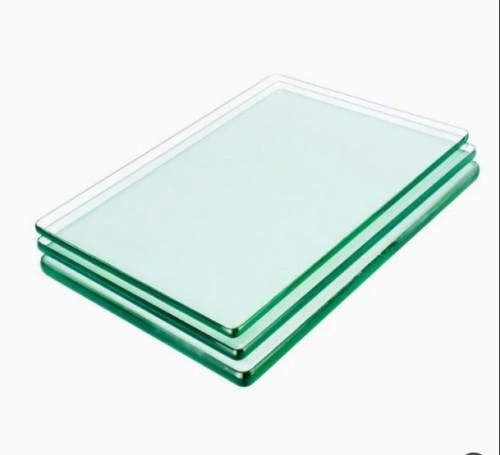
Window tempered glass is a type of safety glass that undergoes a thermal tempering process. This process involves heating the glass to a high temperature and then rapidly cooling it. The result is a glass that is much stronger than regular annealed glass. It can withstand greater impacts and is less likely to break into sharp shards when it does break; instead, it shatters into small, relatively harmless pieces.
The strength of window tempered glass makes it an ideal choice for various applications in buildings. It can be used in windows, doors, and even in some cases, as part of the building's façade. Its durability means that it can last for a long time, reducing the need for frequent replacements and thus contributing to long - term cost savings.
Energy - Saving Mechanisms of Window Tempered Glass
One of the primary ways in which window tempered glass can contribute to energy savings is through its ability to reduce heat transfer. In the summer, a well - designed window tempered glass can block a significant amount of solar heat from entering the building. This reduces the load on air - conditioning systems, leading to lower energy consumption.
Conversely, in the winter, tempered glass can help to keep the heat inside the building. It acts as an insulating layer, preventing the warm air from escaping through the windows. Some window tempered glass products are also coated with low - emissivity (Low - E) coatings. These coatings reflect infrared radiation, further enhancing the glass's insulating properties.

Another aspect is the reduction of air leakage. Since tempered glass is often used in high - quality window frames, it can form a tight seal. This minimizes the infiltration of outside air, which can carry either heat or cold, depending on the season. By reducing air leakage, the building's heating and cooling systems can operate more efficiently.
Types of Window Tempered Glass for Energy - Saving Purposes
There are different types of window tempered glass that are specifically designed for energy - saving buildings. One such type is Digital Printed Glass. This glass not only offers energy - saving benefits but also allows for creative and aesthetically pleasing designs. The digital printing can be used to control the amount of sunlight and heat that enters the building. For example, a pattern can be printed on the glass to block a certain percentage of solar radiation while still allowing for sufficient natural light.
Curtain Wall Tempered Glass is another option. Curtain walls are often used in modern commercial buildings. Tempered glass curtain walls can provide a large expanse of glass while maintaining energy efficiency. They can be designed with multiple layers and advanced insulating materials to achieve high levels of thermal performance.
Of course, Window Tempered Glass itself comes in various configurations. Double - glazed or triple - glazed tempered glass units are common choices for energy - saving buildings. These units consist of two or three layers of glass separated by a spacer filled with air or an insulating gas such as argon. The multiple layers and the insulating gas significantly reduce heat transfer.
Advantages of Using Window Tempered Glass in Energy - Saving Buildings
Safety
As mentioned earlier, window tempered glass is a safety glass. In the event of breakage, it shatters into small, blunt pieces, reducing the risk of serious injury. This is especially important in buildings where safety is a top priority, such as schools, hospitals, and public buildings.
Durability
Tempered glass is highly resistant to scratches, impacts, and environmental factors. It can withstand harsh weather conditions, including strong winds, hail, and extreme temperatures. This durability means that the glass will maintain its energy - saving properties over a long period without significant degradation.
Aesthetics
Window tempered glass can enhance the aesthetic appeal of a building. It can be used to create large, clear windows that provide unobstructed views and allow for an abundance of natural light. The use of different types of tempered glass, such as digital printed glass, can also add a unique and modern touch to the building's design.
Cost - Effectiveness
Although the initial cost of window tempered glass may be higher than that of regular glass, the long - term savings in energy costs can offset this expense. Additionally, the reduced need for maintenance and replacement due to its durability further contributes to cost - effectiveness.
Challenges and Considerations
While window tempered glass offers many benefits for energy - saving buildings, there are also some challenges and considerations. One of the main challenges is the cost. As mentioned, the upfront cost of tempered glass can be relatively high, especially for high - performance products with advanced coatings and multiple layers. This may be a deterrent for some building owners, especially those on a tight budget.
Another consideration is the installation process. Window tempered glass requires careful handling and installation to ensure its proper performance. Improper installation can lead to air leakage, reduced energy efficiency, and even premature failure of the glass. It is essential to work with experienced and qualified installers.
The design of the building also plays a crucial role. The orientation of the building, the size and placement of the windows, and the overall building envelope design all interact with the window tempered glass. For example, if the windows are facing south in a hot climate, they may receive a large amount of solar radiation, and the glass needs to be selected and designed accordingly to optimize energy savings.
Conclusion
In conclusion, window tempered glass is indeed a good choice for energy - saving buildings. Its ability to reduce heat transfer, enhance safety, and offer durability and aesthetic appeal make it a valuable addition to any construction project focused on energy efficiency. While there are challenges such as cost and installation requirements, the long - term benefits far outweigh these drawbacks.
If you are considering using window tempered glass for your next energy - saving building project, I encourage you to reach out to discuss your specific needs. Our team of experts can provide you with detailed information about our products, including Digital Printed Glass, Curtain Wall Tempered Glass, and Window Tempered Glass. We are committed to helping you make the best choice for your building and achieving optimal energy savings.
References
- ASHRAE Handbook of Fundamentals. American Society of Heating, Refrigerating and Air - Conditioning Engineers.
- Glass Association of North America. Technical resources on glass performance and applications.
- International Energy Agency. Reports on energy - efficient building technologies.


