


Hey there! As a supplier of Vacuum Insulated Glass (VIG), I've been getting a lot of questions lately about the wind load requirements for VIG in high - rise buildings. So, I thought I'd sit down and write this blog to share some insights with you.
First off, let's understand what wind load is. Wind load is basically the force exerted by the wind on a structure. In the case of high - rise buildings, this force can be quite significant, especially as the height of the building increases. The wind speed tends to be higher at greater heights, and this means that the glass installed in these buildings has to withstand a lot more pressure.
Now, why is it so important to meet the wind load requirements for VIG in high - rise buildings? Well, safety is the number one reason. If the glass can't handle the wind load, it could break, which poses a serious risk to the people inside and outside the building. Also, from an economic perspective, broken glass means costly repairs and replacements.
So, what are the specific wind load requirements for VIG in high - rise buildings? The requirements vary depending on several factors. One of the key factors is the location of the building. Buildings in areas prone to high - speed winds, like coastal regions or places with frequent storms, will have more stringent wind load requirements.
Another factor is the height of the building. As I mentioned earlier, the wind speed increases with height. So, taller buildings will need VIG that can withstand higher wind loads. Building codes and standards play a crucial role here. In the United States, for example, the International Building Code (IBC) provides guidelines on wind load requirements for different types of buildings, including high - rises.
When it comes to VIG, its unique structure gives it some advantages in terms of withstanding wind loads. VIG consists of two or more glass panes separated by a vacuum layer. This design makes the glass more rigid and stronger compared to traditional single - pane glass. The vacuum layer also helps to reduce the transfer of heat and noise, but that's a topic for another blog.
To ensure that our VIG meets the wind load requirements, we conduct a series of tests. We use advanced simulation software to model the wind forces on the glass under different conditions. We also perform physical tests in our state - of - the - art testing facilities. These tests involve subjecting the glass to simulated wind pressures to see how it responds.
If you're in the market for VIG for your high - rise building project, you might be interested in our different types of VIG products. We offer Office Insulated Glass, which is perfect for commercial office buildings. It not only meets the wind load requirements but also provides excellent insulation, keeping the offices comfortable and energy - efficient.
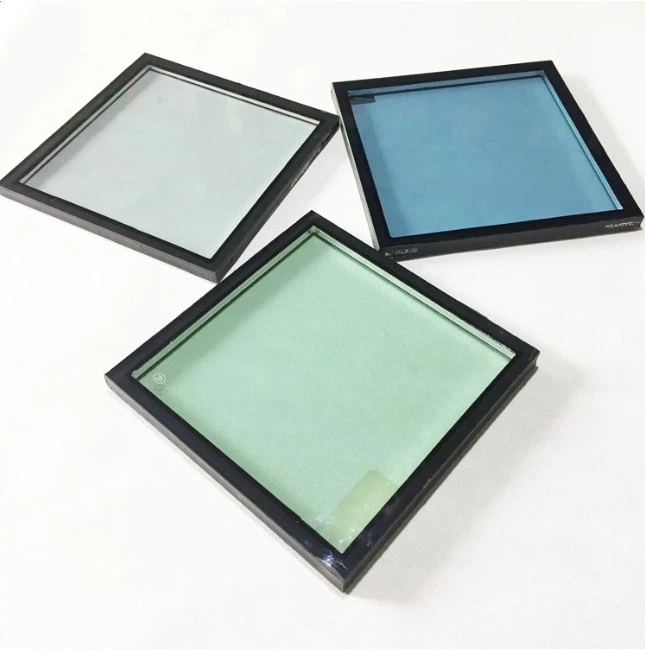
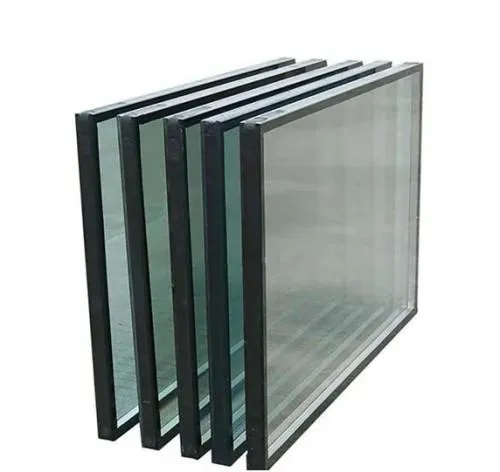
For those in the food industry, our Freezer Door Insulated Glass is a great option. It can withstand the wind loads while also maintaining the low temperatures inside the freezers. And if you're working on a high - rise building with a glass roof, our Roof Insulated Glass is designed to handle the wind forces and provide natural light while keeping the building well - insulated.
When you're choosing VIG for your high - rise building, it's important to work with a reliable supplier. We've been in the business for years, and we have a team of experts who are well - versed in the wind load requirements and other aspects of VIG. We can help you select the right type of VIG for your specific project, taking into account factors like location, building height, and local building codes.
In addition to meeting the wind load requirements, our VIG also offers other benefits. It can significantly reduce energy consumption in high - rise buildings. By reducing the transfer of heat, it helps to keep the building cool in the summer and warm in the winter, which means lower energy bills for the building owners.
It also enhances the acoustic performance of the building. The vacuum layer in VIG acts as a barrier to sound, reducing the noise from the outside. This is especially important for high - rise buildings located in busy urban areas.
So, if you're planning a high - rise building project and need VIG that meets the wind load requirements, don't hesitate to get in touch. We're here to help you every step of the way, from product selection to installation. Whether you're an architect, a contractor, or a building owner, we can provide you with the best solutions for your VIG needs.
In conclusion, understanding the wind load requirements for VIG in high - rise buildings is crucial for ensuring the safety and performance of the building. By choosing our high - quality VIG products, you can be confident that your building will meet the necessary standards and provide a comfortable and energy - efficient environment. So, why wait? Contact us today to start discussing your project and find the perfect VIG solution for you.
References
International Building Code (IBC)
Research papers on wind load analysis for building glass


