


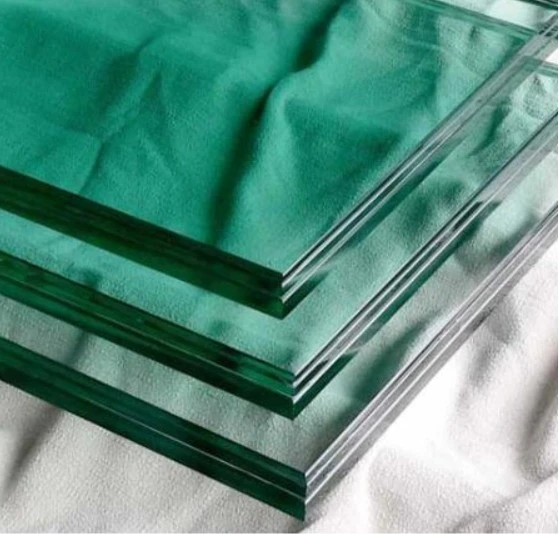
As a supplier of Roof Laminated Glass, I understand the critical importance of proper transportation precautions to ensure that our high - quality products reach our customers in pristine condition. Roof laminated glass is a specialized type of glass that combines multiple layers of glass with an interlayer, typically made of polyvinyl butyral (PVB), to provide enhanced safety, security, and insulation properties. In this blog, I will share some key transportation precautions for roof laminated glass.
Packaging
The first step in ensuring the safe transportation of roof laminated glass is proper packaging. We use high - quality packaging materials that can protect the glass from scratches, impacts, and vibrations during transit. Our laminated glass is typically wrapped in soft, protective materials such as foam or felt to prevent surface damage. Then, it is placed in custom - made wooden crates. These crates are designed to fit the dimensions of the glass precisely, providing a snug and secure fit. The crates are reinforced with sturdy corner protectors and metal strapping to withstand the rigors of transportation.
Loading
During the loading process, it is essential to take extra care. Glass should be loaded in an upright position whenever possible. This reduces the risk of breakage due to the weight of the glass itself. Our loading teams are trained to handle the glass with extreme care, using lifting equipment such as suction cups and hoists. These tools ensure that the glass is lifted evenly and without applying excessive pressure on any one point, which could cause cracking or shattering.
When loading the glass into trucks or containers, we make sure to arrange the glass panels in an orderly and stable manner. The glass panels should be separated by dividers or spacers to prevent them from rubbing against each other during transit. We also ensure that the glass is secured firmly in place using straps or braces to prevent it from shifting during transportation. For instance, if the glass is being transported on a flatbed truck, we use ratchet straps to tie it down tightly.
Transport Mode Selection
The choice of transport mode also plays a significant role in the safety of roof laminated glass during transportation. Different modes of transport have different levels of risk associated with them.

- Road Transport: This is a common choice for local or regional deliveries. When selecting a trucking company, we look for those with a good safety record. The trucks should be well - maintained, with proper shock - absorbing systems. Drivers are also trained to drive carefully, avoiding sudden starts, stops, and sharp turns that could cause the glass to shift or break. Regular maintenance of the vehicle, including checking the tires, brakes, and suspension, is crucial to ensure a smooth journey.
- Rail Transport: Rail transport can be a more stable option for long - distance transportation. However, it also requires careful handling during loading and unloading. The wagons used for glass transport should be clean, dry, and free of any sharp objects that could damage the glass. Specialized rail carriers for fragile goods are preferred as they often have better shock - absorbing features.
- Sea Transport: If the glass is being shipped overseas, sea transport is often the only viable option. We use shipping containers that are specifically designed for transporting fragile and heavy goods. These containers are sealed to protect the glass from moisture and saltwater. Inside the container, the glass is again securely fastened to prevent movement during the rough sea journey.
Temperature and Humidity Control
Roof laminated glass can be affected by extreme temperature and humidity changes. High humidity can cause the edges of the glass to become cloudy or the interlayer to deteriorate over time. During transportation, we take measures to control these factors.
- Temperature: In hot weather, we avoid exposing the glass to direct sunlight for extended periods. If possible, we choose to transport the glass during the cooler parts of the day. In cold weather, we use insulated packaging to protect the glass from freezing temperatures, which could cause the glass to crack due to thermal stress.
- Humidity: We ensure that the packaging is moisture - resistant. If the glass is being transported in an environment with high humidity, we may include desiccants inside the packaging to absorb any excess moisture. For long - distance sea transport, where humidity levels can be particularly high, we also use dehumidifiers in the shipping containers.
Monitoring and Tracking
We understand that real - time monitoring is essential during the transportation of roof laminated glass. We use GPS tracking devices to monitor the location of the glass at all times. This allows us to keep our customers informed about the status of their shipments. Additionally, we also use shock sensors and vibration sensors attached to the glass crates. These sensors can detect any excessive vibrations or shocks that could potentially damage the glass. If an abnormal event is detected, our transportation team can immediately investigate and take appropriate measures, such as adjusting the route or stopping the vehicle to check the condition of the glass.
Insurance
Despite all the precautions taken, accidents can still happen during transportation. That's why we always recommend our customers to purchase insurance for their glass shipments. Insurance can provide financial protection in case of damage or loss during transit. We work with reliable insurance providers who specialize in insuring fragile and high - value goods like laminated glass. The insurance policy typically covers breakage, theft, and other unforeseen events that may occur during transportation.
Conclusion
Transporting roof laminated glass safely requires a combination of proper packaging, careful loading, appropriate transport mode selection, temperature and humidity control, monitoring, and insurance. By following these precautions, we can ensure that our customers receive their roof laminated glass in perfect condition.
If you are in the market for high - quality roof laminated glass, we are here to serve you. Our products, including Security Laminated Glass, Handrail Tempered Laminated Glass, and Wall laminated glass, are known for their excellent quality and durability. We invite you to contact us for a detailed discussion regarding your requirements and to start the procurement process. Whether you have a small - scale project or a large - scale commercial building, we are committed to providing you with the best glass solutions at competitive prices.
Reach out to us to learn more about our roof laminated glass and the seamless service we offer from production to transportation. We look forward to working with you on your next project.
References
- Glass Association of North America. (2023). Best Practices for Glass Transportation.
- Smith, J. (2022). Storage and Transportation Guidelines for Laminated Glass.
- International Maritime Organization. (2022). Regulations for Shipping Fragile Goods.


