


Hey there! I'm in the vacuum insulated glass (VIG) supply business. VIG is pretty awesome, offering great thermal insulation, noise reduction, and sometimes impressive clarity. But like any product, it's not all rainbows and sunshine. There are a few downsides you should know about before you decide if it's right for your project.
1. High Initial Cost
One of the biggest drawbacks of vacuum insulated glass is the upfront cost. Manufacturing VIG is a complex and expensive process. You've got to create a perfect vacuum between the glass panes, which requires specialized equipment and a high level of precision. The cost of materials, like the high - quality glass and the edge seals, also adds up.
Compared to traditional double - glazed windows, the price can be significantly higher. For a homeowner on a tight budget or a contractor looking to cut costs on a large - scale project, this can be a deal - breaker. You might be thinking, "Well, it'll save me money in the long run, right?" And that's true, but not everyone can afford to make that initial investment.
2. Fragility
Vacuum insulated glass is more fragile than regular glass. The vacuum between the panes creates a pressure difference, which means the glass is under stress. A small impact or a sudden change in temperature can cause the glass to crack or shatter.
This fragility can be a problem during transportation and installation. If you're not careful, a single bump or jolt can ruin an entire pane. And once it's installed, it's more vulnerable to damage from things like hailstorms or flying debris. You might end up having to replace the glass more often than you would with a sturdier option.
3. Limited Availability of Sizes and Shapes
Another disadvantage is the limited availability of sizes and shapes. Because of the manufacturing process, it's difficult to produce VIG in large or non - standard sizes and shapes. Most manufacturers offer a limited range of standard sizes, which might not fit your specific project requirements.
If you're working on a custom - designed building or renovation, you might find it hard to get the right size and shape of VIG. You could end up having to compromise on your design or look for alternative solutions, which can be frustrating and time - consuming.
4. Edge Seal Integrity
The edge seal of vacuum insulated glass is crucial for maintaining the vacuum between the panes. Over time, the edge seal can degrade due to exposure to moisture, temperature changes, and other environmental factors. Once the edge seal fails, air can leak into the vacuum space, reducing the insulation performance of the glass.
Checking the edge seal integrity can be tricky. It's not always obvious when there's a problem, and by the time you notice a decrease in insulation, the damage might already be done. Replacing the edge seal is also a complex and expensive process, which can add to the long - term cost of using VIG.
5. Recycling Challenges
Recycling vacuum insulated glass is more difficult than recycling regular glass. The presence of the vacuum and the edge seals, as well as any coatings on the glass, make it hard to separate and process the materials.
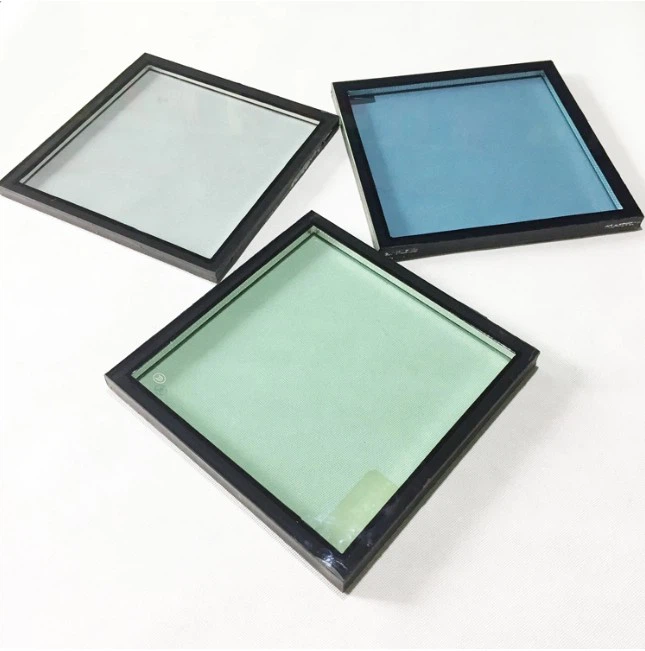
As more and more people are becoming environmentally conscious, the recyclability of a product is an important consideration. The lack of easy recycling options for VIG can be a drawback for those who want to minimize their environmental impact.
6. Cost - effectiveness in Mild Climates
In mild climates, the energy - saving benefits of vacuum insulated glass may not outweigh the high cost. In areas where the temperature doesn't fluctuate much, the need for excellent thermal insulation is less critical.
For example, if you live in a region with relatively warm winters and cool summers, you might not see a significant reduction in your energy bills by using VIG. In such cases, the extra money spent on VIG could be better used on other aspects of your building or home improvement project.
Related Products
If you're still interested in insulated glass but are concerned about the disadvantages of vacuum insulated glass, you might want to check out some alternatives. For instance, Insulated Laminated Glass offers a different set of benefits, including enhanced safety and noise reduction. It might be a more cost - effective option in some cases.
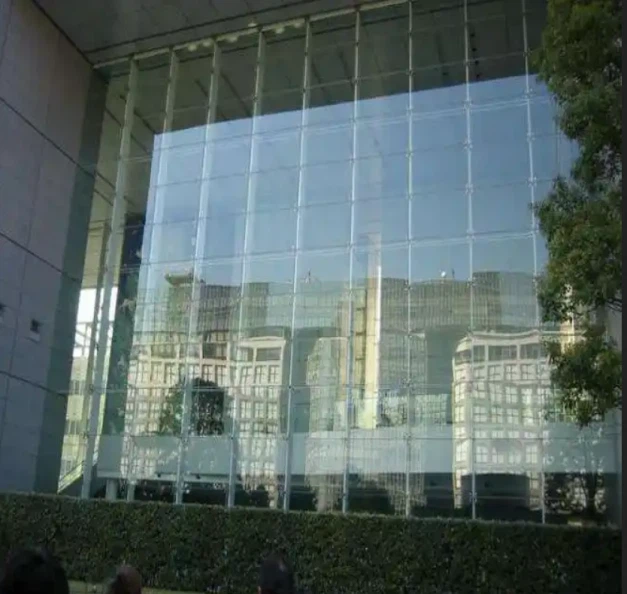
Curtain Wall Insulated Glass is another alternative, which is designed specifically for commercial buildings. It can be more suitable for large - scale projects and may offer a good balance between cost and performance.
And if you're looking for insulated glass for your roof, Roof Insulated Glass could be a great choice. It's engineered to withstand the unique challenges of roof installations.
Conclusion
While vacuum insulated glass has its fair share of disadvantages, it also has a lot of great features. It's all about weighing the pros and cons based on your specific needs and circumstances. If you're in an area with extreme temperatures and you're willing to invest in a long - term energy - efficient solution, VIG could be a great option. But if cost, fragility, or other factors are a major concern, you might want to explore alternative insulated glass products.
If you're still interested in discussing the possibility of using vacuum insulated glass or any of our other products for your project, don't hesitate to reach out. We're here to help you make the best decision for your needs.
References
- "The Future of Insulated Glass", Journal of Building Materials Research, 2020
- "Challenges in Vacuum Insulated Glass Manufacturing", Industry Insights Magazine, 2021
- "Energy Efficiency of Different Glass Types", Environmental Science Quarterly, 2019


