


As a seasoned supplier of window tempered glass, I understand the paramount importance of safe storage. Window tempered glass is a crucial material in the construction and interior design industries, known for its strength, durability, and safety features. However, improper storage can lead to damage, compromising its quality and functionality. In this blog, I'll share some essential tips on how to store window tempered glass safely.
Understanding the Characteristics of Window Tempered Glass
Before delving into storage methods, it's vital to understand the unique properties of window tempered glass. Tempered glass is processed through a thermal or chemical treatment, which increases its strength compared to regular glass. When broken, it shatters into small, relatively harmless pieces instead of sharp shards, making it a safer option for various applications.
However, despite its strength, tempered glass is still susceptible to damage. It can be scratched, chipped, or even shattered if subjected to excessive stress or improper handling. Therefore, proper storage is essential to maintain its integrity.
Choosing the Right Storage Location
The first step in safe glass storage is selecting an appropriate location. The storage area should be dry, clean, and well-ventilated. Moisture can cause corrosion and damage to the glass surface, while dirt and debris can scratch the glass during handling.
Avoid storing glass in areas prone to extreme temperature fluctuations, such as near heaters or in direct sunlight. Temperature changes can cause the glass to expand and contract, leading to stress fractures. A stable temperature environment is ideal for preserving the quality of tempered glass.
Additionally, the storage area should be secure to prevent unauthorized access and potential damage. This may involve using locked storage units or areas with restricted access.
Preparing the Storage Space
Once you've chosen the storage location, it's time to prepare the space. Start by cleaning the area thoroughly to remove any dirt, dust, or debris. Use a soft, dry cloth or a vacuum cleaner to ensure a clean surface.
Next, consider using protective padding or cushioning materials. Place rubber mats, foam pads, or cardboard sheets on the floor and walls of the storage area to prevent the glass from coming into direct contact with hard surfaces. This will help absorb any impact and reduce the risk of damage.
Storing Window Tempered Glass Vertically
One of the most important rules in glass storage is to store it vertically. Storing glass horizontally can cause it to bow or warp over time, especially if it's a large or heavy piece. Vertical storage helps distribute the weight evenly and reduces the risk of damage.
When storing glass vertically, use a sturdy rack or frame specifically designed for glass storage. The rack should have padded supports to prevent the glass from scratching or chipping. Make sure the glass is held securely in place to prevent it from falling or shifting.
If you don't have a dedicated glass rack, you can create a makeshift storage solution using wooden frames or pallets. Place the glass between two wooden frames and secure it with straps or ropes. However, ensure that the frames are strong enough to support the weight of the glass.
Separating and Protecting Individual Panels
To prevent scratching and damage, it's essential to separate individual glass panels. Use soft, non-abrasive materials such as felt pads, paper, or plastic film to create a barrier between the panels. This will prevent them from rubbing against each other and causing scratches.
When stacking glass panels, place a layer of protective material between each panel. Make sure the panels are aligned properly and not overcrowded. Overcrowding can increase the risk of damage during handling.
Handling and Moving Window Tempered Glass
Proper handling and moving techniques are crucial to prevent damage to the glass. When lifting glass, use appropriate lifting equipment such as suction cups or glass handlers. Make sure the equipment is in good condition and rated for the weight of the glass.
Avoid touching the glass surface with bare hands, as the oils and dirt on your hands can leave marks and damage the glass. Wear clean, gloves when handling the glass.
When moving glass, take it slowly and carefully. Avoid sudden movements or jerks that could cause the glass to break. If possible, use a dolly or cart to transport the glass to reduce the risk of dropping or mishandling it.
Inspecting the Glass Regularly
Regular inspections are essential to ensure the quality of the stored glass. Check the glass periodically for any signs of damage, such as scratches, chips, or cracks. If you notice any damage, remove the affected panel from the storage area immediately to prevent further damage to other panels.

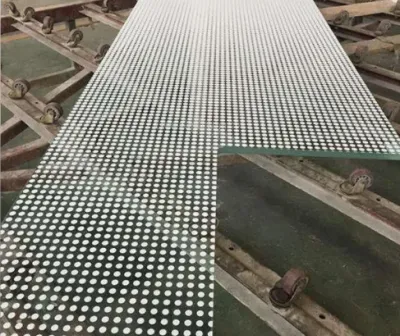
Inspect the storage area as well to ensure that the protective padding and cushioning materials are still in good condition. Replace any damaged or worn-out materials as needed.
Special Considerations for Different Types of Window Tempered Glass
Different types of window tempered glass may require special storage considerations. For example, Tempered Glass Balcony Railing is often larger and heavier than standard window glass. It may require additional support and reinforcement during storage.
Silk Screen Tempered Glass has a printed design on the surface, which can be easily damaged if not stored properly. Protect the printed side of the glass with a protective film or covering to prevent scratching or fading.
Garden Tempered Glass may be exposed to outdoor elements, so it's important to store it in a dry and protected area. Consider using a waterproof cover or storing it indoors if possible.
Conclusion
Safe storage of window tempered glass is essential to maintain its quality and functionality. By choosing the right storage location, preparing the storage space, storing the glass vertically, separating and protecting individual panels, using proper handling techniques, and inspecting the glass regularly, you can minimize the risk of damage and ensure that your glass is in top condition when it's time for installation.
If you're in the market for high-quality window tempered glass, I invite you to contact me for more information. I'm committed to providing the best products and services to meet your needs. Whether you're a contractor, builder, or homeowner, I can help you find the perfect window tempered glass for your project.
References
- Glass Association of North America. (n.d.). Glass Storage and Handling Guidelines. Retrieved from [Website URL]
- National Glass Association. (n.d.). Best Practices for Glass Storage. Retrieved from [Website URL]


