


Condensation on window tempered glass can be a real pain in the neck. As a supplier of Window Tempered Glass, I've seen this issue pop up time and time again. It not only looks bad but can also lead to other problems like mold growth and damage to the window frame. So, in this blog, I'm gonna share some tips on how to prevent condensation on window tempered glass.
Understanding the Root Cause of Condensation
Before we jump into the prevention methods, it's important to understand why condensation forms on window tempered glass in the first place. Condensation occurs when warm, moist air comes into contact with a cold surface, like your window glass. When this happens, the water vapor in the air cools down and turns into liquid water, which is what we see as condensation.
There are a few factors that can contribute to this problem. One of the main ones is the difference in temperature between the inside and outside of your home. In the winter, the air inside your home is usually warmer and more humid than the air outside. When this warm, moist air hits the cold window glass, condensation forms. Another factor is poor ventilation. If there isn't enough air circulation in your home, the moisture in the air can build up and lead to condensation.
Tips to Prevent Condensation on Window Tempered Glass
Improve Ventilation
One of the easiest ways to prevent condensation is to improve the ventilation in your home. You can do this by opening your windows regularly, even if it's just for a few minutes each day. This will allow fresh air to circulate and help reduce the humidity levels inside your home. You can also use exhaust fans in your kitchen and bathroom when you're cooking or taking a shower. These fans will help remove the moist air from these areas and prevent it from spreading throughout your home.
Use a Dehumidifier
If you live in a particularly humid area or if you have a lot of moisture in your home, using a dehumidifier can be a great solution. A dehumidifier works by removing the excess moisture from the air, which can help prevent condensation from forming on your windows. You can place a dehumidifier in the room where you're having the most problems with condensation, or you can use a whole-house dehumidifier to treat your entire home.
Insulate Your Windows
Another way to prevent condensation is to insulate your windows. This will help reduce the temperature difference between the inside and outside of your home, which can prevent warm, moist air from coming into contact with the cold window glass. You can use window insulation film, which is a thin plastic film that you can apply to your windows. This film will help keep the heat inside your home and prevent the cold air from outside from seeping in. You can also use weatherstripping around your windows to seal any gaps and prevent air from leaking in.
Upgrade to Double or Triple Glazed Windows
If you're really serious about preventing condensation on your windows, you might want to consider upgrading to double or triple glazed windows. These windows have two or three layers of glass with a layer of air or gas in between. This helps to insulate your windows and reduce the temperature difference between the inside and outside of your home. Double or triple glazed windows are also more energy-efficient, which can help you save money on your heating and cooling bills in the long run.
Keep Your Home at a Consistent Temperature
It's also important to keep your home at a consistent temperature. Fluctuations in temperature can cause the air inside your home to expand and contract, which can lead to condensation. You can use a thermostat to set a consistent temperature for your home and avoid turning your heating or cooling system on and off too frequently.
The Role of High - Quality Window Tempered Glass
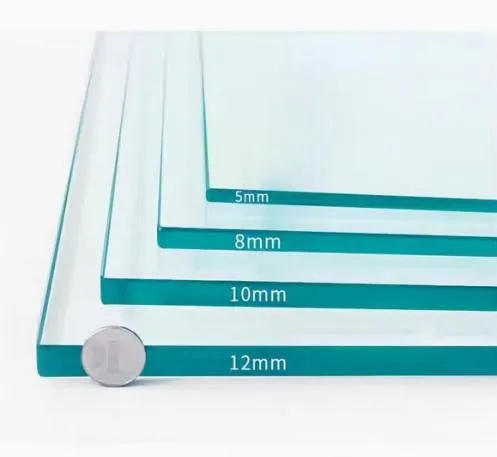
As a supplier of Window Tempered Glass, I can tell you that the quality of your window glass can also play a role in preventing condensation. High - quality tempered glass is more resistant to temperature changes and can help reduce the likelihood of condensation forming.
Our Tempered Glass Sheet is made with advanced manufacturing techniques that ensure its durability and performance. It has excellent thermal insulation properties, which means it can help keep the heat inside your home in the winter and the cool air inside in the summer. This not only helps prevent condensation but also makes your home more energy - efficient.
In addition, we also offer Fire Resistant Tempered Glass. This type of glass is not only great for preventing condensation but also provides an extra layer of safety in case of a fire. It can withstand high temperatures and prevent the spread of flames and smoke, giving you peace of mind.
Conclusion
Condensation on window tempered glass is a common problem, but it doesn't have to be a permanent one. By following these tips, you can prevent condensation from forming on your windows and keep your home dry and comfortable. Remember, improving ventilation, using a dehumidifier, insulating your windows, upgrading to double or triple glazed windows, and keeping a consistent temperature are all effective ways to tackle this issue.
As a trusted supplier of Window Tempered Glass, we're here to help you find the best solutions for your window needs. Whether you're looking for a simple way to reduce condensation or you're interested in upgrading your windows for better energy efficiency and safety, we've got you covered. If you're interested in learning more about our products or if you have any questions, don't hesitate to reach out. We're always happy to help you with your procurement and answer any questions you might have.
References
- American Society of Heating, Refrigerating and Air - Conditioning Engineers (ASHRAE). Handbook of Fundamentals.
- Building Research Establishment. Guide to Reducing Condensation in Buildings.


