


Hey there! As a supplier of Vacuum Insulated Glass (VIG), I've been getting a lot of questions lately about how its weight stacks up against other types of glass. So, I thought I'd take a deep dive into this topic and share what I've learned.
First off, let's talk about what Vacuum Insulated Glass is. It's a type of glass that consists of two or more glass panes separated by a vacuum layer. This vacuum acts as an excellent insulator, reducing heat transfer and making it a great choice for energy - efficient buildings. Now, onto the weight comparison.
Single - Pane Glass
Single - pane glass is the simplest form of glass. It's just one sheet of glass, and it's commonly used in older buildings or in some basic applications. In terms of weight, single - pane glass is relatively light. The weight of single - pane glass mainly depends on its thickness and size. For example, a standard 1/8 - inch thick single - pane glass weighs about 1.6 pounds per square foot.

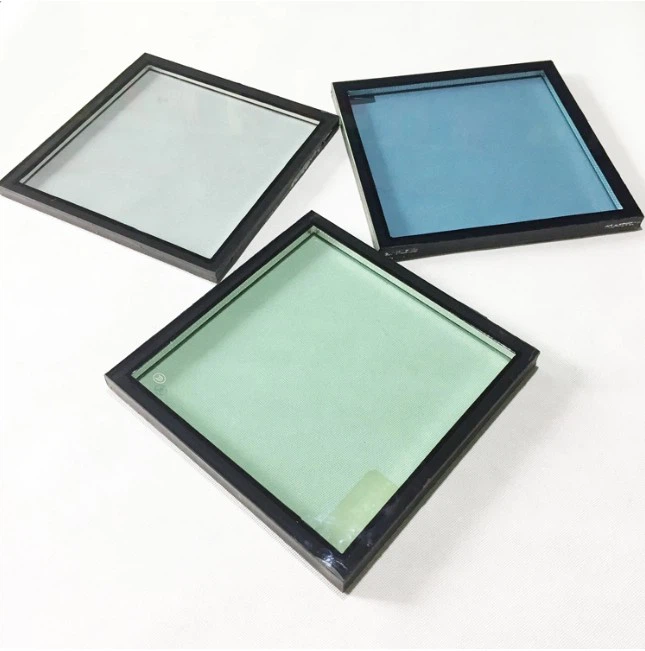
When you compare this to Vacuum Insulated Glass, things get a bit more complex. VIG typically has at least two glass panes with a vacuum in between. Even though there's a vacuum layer, the additional pane means that VIG is generally heavier than single - pane glass. A typical VIG unit with two 1/8 - inch thick glass panes will weigh more than a single 1/8 - inch thick pane. But the extra weight comes with a huge benefit in terms of insulation.
Double - Glazed Insulated Glass
Double - glazed insulated glass is another popular option. It consists of two glass panes separated by a gas - filled space, usually argon or krypton. This gas layer helps with insulation. The weight of double - glazed glass depends on the thickness of the panes and the type of gas used.
On average, a double - glazed unit with two 1/8 - inch thick glass panes and a 1/4 - inch gas - filled space weighs around 3.2 pounds per square foot. Vacuum Insulated Glass, on the other hand, can be either lighter or heavier depending on its construction. If we have a VIG with two thin glass panes, it might be lighter than a double - glazed unit with thicker panes. However, in most cases, VIG with standard - thickness panes will be similar in weight to double - glazed glass. But VIG has a much better insulation performance because of the vacuum layer.
Tempered Glass
Tempered glass is known for its strength and safety. It's made by heating and then rapidly cooling the glass, which creates internal stresses that make it stronger than regular glass. Tempered glass is often used in applications where safety is a concern, like in doors and shower enclosures.
The weight of tempered glass is similar to that of regular glass of the same thickness. A 1/4 - inch thick tempered glass weighs about 4 pounds per square foot. When it comes to Vacuum Insulated Glass, if one or both of the panes in a VIG unit are tempered, the weight will increase accordingly. But again, the enhanced insulation of VIG makes it a great choice despite the potential increase in weight.
Laminated Glass
Laminated glass consists of two or more glass panes bonded together with a plastic interlayer. This interlayer holds the glass together when it breaks, reducing the risk of injury. Laminated glass is commonly used in automotive windshields and in buildings where security is important.
The weight of laminated glass depends on the number of panes and the thickness of the interlayer. A basic laminated glass with two 1/8 - inch thick panes and a thin interlayer weighs around 3.3 pounds per square foot. Vacuum Insulated Glass can be designed to incorporate laminated glass panes. In such cases, the weight will be a combination of the laminated glass weight and the additional factors related to the VIG construction.
Specialized Glass Types
There are also some specialized types of glass like Freezer Door Insulated Glass, Roof Insulated Glass, and Ultra Clear Insulated Glass.
Freezer door insulated glass is designed to keep the cold in and the heat out. It usually has a high - performance insulation layer. The weight of freezer door insulated glass can vary, but it's often in the range of double - glazed or VIG units depending on its construction. Roof insulated glass needs to be strong enough to withstand environmental factors and also provide good insulation. It can be quite heavy, especially if it's a thick, multi - pane unit. Ultra - clear insulated glass is known for its high transparency and good insulation properties. Its weight is similar to other types of insulated glass with comparable pane thicknesses.
Factors Affecting VIG Weight
There are several factors that affect the weight of Vacuum Insulated Glass. The thickness of the glass panes is a major one. Thicker panes will obviously make the VIG unit heavier. The size of the unit also matters. A larger VIG panel will weigh more than a smaller one.
The type of support pillars used in the vacuum layer can also have a small impact on weight. These pillars are necessary to keep the glass panes from collapsing under the pressure difference created by the vacuum. Some materials used for these pillars are lighter than others.
Why Weight Matters
You might be wondering why the weight of glass matters. Well, in construction, weight is a crucial factor. Heavier glass requires stronger support structures, which can increase the cost of construction. On the other hand, lighter glass can be easier to install and may not require as much reinforcement.
In transportation, weight also plays a role. Heavier glass means higher shipping costs. But when it comes to Vacuum Insulated Glass, the benefits in terms of energy efficiency often outweigh the potential drawbacks related to weight.
Conclusion
In conclusion, Vacuum Insulated Glass is generally heavier than single - pane glass but can be similar in weight to double - glazed or other types of insulated glass depending on its construction. The extra weight comes with significant benefits in terms of insulation, which can lead to energy savings in the long run.
If you're in the market for high - performance glass and want to learn more about how Vacuum Insulated Glass can meet your needs, don't hesitate to reach out. We're here to help you make the best choice for your project. Whether it's for a freezer door, a roof, or any other application, we can provide you with the right VIG solution. Contact us for a detailed discussion and let's start a great partnership!
References
- "Glass Engineering Handbook" by W. D. Kingery
- "Insulating Glass: Technology and Applications" by B. C. Tomer


