


As a supplier of Lowe Insulated Glass, I am often asked about the science behind its remarkable ability to prevent heat transfer through conduction. In this blog post, I will delve into the technical details of how Lowe Insulated Glass achieves this feat, providing you with a comprehensive understanding of its thermal insulation properties.
Understanding Heat Conduction
Before we explore how Lowe Insulated Glass prevents heat transfer through conduction, it's important to understand what heat conduction is. Heat conduction is the process by which heat energy is transferred through a material from a region of higher temperature to a region of lower temperature. This transfer occurs when the atoms or molecules in the material vibrate, colliding with neighboring atoms or molecules and transferring their kinetic energy.
The rate of heat conduction through a material depends on several factors, including the material's thermal conductivity, its thickness, and the temperature difference across it. Materials with high thermal conductivity, such as metals, conduct heat more easily than materials with low thermal conductivity, such as glass.
How Lowe Insulated Glass Works
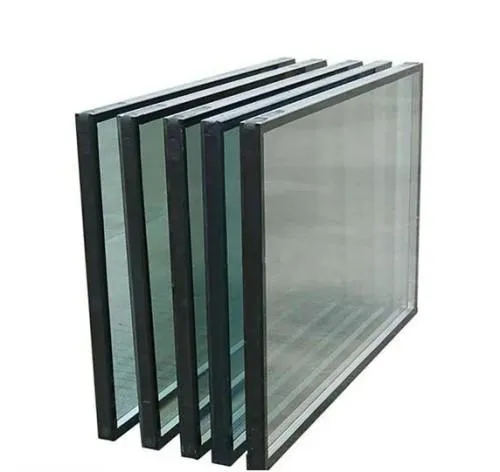
Lowe Insulated Glass is designed to minimize heat transfer through conduction by incorporating several key features. These features work together to create a highly effective thermal barrier that helps to keep buildings cool in the summer and warm in the winter.
Low-E Coating
One of the most important features of Lowe Insulated Glass is its low-emissivity (Low-E) coating. This thin, transparent coating is applied to the surface of the glass and is designed to reflect infrared radiation, which is the primary form of heat transfer through glass.
Infrared radiation is emitted by warm objects, such as the sun or a heated building interior. When this radiation strikes the surface of the glass, the Low-E coating reflects a significant portion of it back into the room, preventing it from passing through the glass and escaping outside. This helps to reduce the amount of heat that is lost through the glass, making the building more energy-efficient.
Insulating Gas Filled Space
Another key feature of Lowe Insulated Glass is the insulating gas filled space between the two or more panes of glass. This space is typically filled with a low-conductivity gas, such as argon or krypton, which helps to reduce heat transfer through conduction.
Gases have a much lower thermal conductivity than solids, such as glass. By filling the space between the panes of glass with a low-conductivity gas, the rate of heat transfer through the glass is significantly reduced. This is because the gas molecules act as a barrier, preventing the direct transfer of heat from one pane of glass to the other.
Spacer System
The spacer system used in Lowe Insulated Glass also plays an important role in preventing heat transfer through conduction. The spacer is a narrow strip of material that separates the two or more panes of glass and provides a seal around the edges of the glass unit.
A high-quality spacer system is designed to minimize heat transfer through the edges of the glass unit. This is achieved by using materials with low thermal conductivity, such as foam or plastic, and by creating a tight seal around the edges of the glass. By reducing heat transfer through the edges of the glass unit, the overall thermal performance of the Lowe Insulated Glass is improved.
Benefits of Lowe Insulated Glass
The ability of Lowe Insulated Glass to prevent heat transfer through conduction offers several significant benefits for building owners and occupants. These benefits include:
Energy Efficiency
By reducing heat transfer through the glass, Lowe Insulated Glass helps to reduce the amount of energy required to heat and cool a building. This can result in significant energy savings and lower utility bills over time.

Comfort
Lowe Insulated Glass helps to create a more comfortable indoor environment by reducing temperature fluctuations and drafts. This can make a building feel more comfortable year-round, regardless of the weather outside.
Noise Reduction
In addition to its thermal insulation properties, Lowe Insulated Glass also provides excellent noise reduction. The insulating gas filled space between the panes of glass helps to absorb and dampen sound waves, reducing the amount of noise that enters the building from the outside.
UV Protection
Lowe Insulated Glass also offers protection against harmful ultraviolet (UV) radiation. The Low-E coating on the glass helps to block a significant portion of UV radiation, which can cause fading and damage to furniture, flooring, and other interior finishes.
Applications of Lowe Insulated Glass
Lowe Insulated Glass is suitable for a wide range of applications, including residential and commercial buildings. Some of the most common applications of Lowe Insulated Glass include:
Windows and Doors
Lowe Insulated Glass is commonly used in windows and doors to improve the energy efficiency and comfort of buildings. By replacing traditional single-pane or double-pane windows with Lowe Insulated Glass, building owners can significantly reduce their energy consumption and improve the overall performance of their buildings.
Skylights and Roof Windows
Skylights and roof windows are another popular application for Lowe Insulated Glass. These windows allow natural light to enter the building while also providing excellent thermal insulation and noise reduction.
Curtain Walls
Curtain walls are a type of exterior wall system that is commonly used in commercial buildings. Lowe Insulated Glass is often used in curtain walls to provide a high-performance thermal barrier and to enhance the aesthetic appeal of the building.
Conclusion
In conclusion, Lowe Insulated Glass is a highly effective solution for preventing heat transfer through conduction. Its combination of Low-E coating, insulating gas filled space, and high-quality spacer system creates a thermal barrier that helps to keep buildings cool in the summer and warm in the winter. By reducing energy consumption, improving comfort, and providing other benefits, Lowe Insulated Glass is an excellent choice for any building project.
If you are interested in learning more about Lowe Insulated Glass or would like to discuss your specific needs, please feel free to contact us. We are a leading supplier of Lowe Insulated Glass and can provide you with the highest quality products and services at competitive prices.
References
- ASHRAE Handbook of Fundamentals. American Society of Heating, Refrigerating and Air-Conditioning Engineers, Inc.
- Glass Association of North America. Technical Information and Resources for the Glass Industry.


