


Laminated glass is a remarkable innovation in the field of glass technology, offering enhanced safety and security compared to traditional glass. As a leading supplier of laminated glass, I am often asked about how this specialized glass prevents shattering. In this blog post, I will delve into the science behind laminated glass and explain its shatter - prevention mechanisms.
The Structure of Laminated Glass
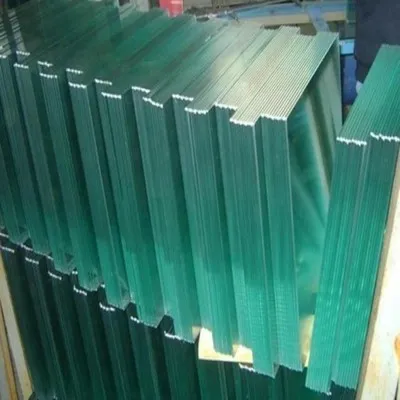
Laminated glass consists of two or more layers of glass bonded together with an interlayer, typically made of polyvinyl butyral (PVB) or ethylene - vinyl acetate (EVA). The process of creating laminated glass involves sandwiching the interlayer between the glass layers and then subjecting the assembly to heat and pressure. This results in a strong bond between the glass and the interlayer.
The glass layers in laminated glass can vary in thickness depending on the application. For instance, Ultra thick laminated glass is designed for high - impact environments such as hurricane - prone areas. These thick glass layers provide a robust outer shell that can withstand significant force.
How Laminated Glass Prevents Shattering
The Role of the Interlayer
The interlayer is the key to laminated glass's shatter - prevention capabilities. When laminated glass is struck by an object, the energy from the impact is absorbed and distributed across the entire surface of the glass by the interlayer. Unlike ordinary glass, which shatters into sharp, dangerous fragments when broken, the interlayer holds the broken glass pieces together.
PVB and EVA interlayers have excellent adhesion properties. They form a tight bond with the glass, ensuring that even when the glass cracks, the fragments remain attached to the interlayer. This prevents the glass from scattering and reduces the risk of injury from flying shards. For example, in a car windshield, which is typically made of laminated glass, if the windshield is hit by a rock, the interlayer keeps the glass intact and maintains visibility, allowing the driver to continue safely.
Energy Absorption
In addition to holding the glass fragments together, the interlayer also absorbs a large amount of the impact energy. When an object collides with laminated glass, the interlayer deforms, converting the kinetic energy of the impact into potential energy through elastic and plastic deformation. This energy - absorbing property helps to reduce the force exerted on the glass and prevents it from shattering completely.
The thickness and composition of the interlayer can be adjusted to meet different impact requirements. Thicker interlayers generally offer better energy absorption and shatter - resistance. For applications where high - impact resistance is needed, such as in security glass for banks or government buildings, a thicker PVB or EVA interlayer can be used.
Applications of Laminated Glass and Shatter - Prevention Benefits
Architectural Applications
Laminated glass is widely used in architectural projects, including windows, doors, and curtain walls. Construction Laminated Glass provides enhanced safety in buildings. In the event of an earthquake, hurricane, or a break - in attempt, the laminated glass will not shatter into dangerous pieces. This not only protects the occupants of the building from injury but also helps to maintain the structural integrity of the building by preventing large pieces of glass from falling and causing further damage.
Interior Design
Laminated glass is also popular in interior design applications, such as glass partitions, stair railings, and glass floors. Handrail Tempered Laminated Glass is commonly used for staircases. If someone accidentally leans on or strikes the handrail, the laminated glass will not shatter, providing a safe and elegant solution for interior spaces.
Automotive Industry
As mentioned earlier, laminated glass is the standard for car windshields. It plays a crucial role in protecting the driver and passengers in the event of a collision. The shatter - resistant property of laminated glass helps to prevent the windshield from breaking into sharp fragments that could cause serious injuries. It also provides a barrier against objects flying into the vehicle from the outside.
Quality Control and Standards
To ensure the effectiveness of laminated glass in preventing shattering, strict quality control measures are implemented during the manufacturing process. We adhere to international standards such as ASTM (American Society for Testing and Materials) and EN (European Norm) standards. These standards specify the requirements for the composition, thickness, and performance of laminated glass, including its impact resistance and shatter - prevention capabilities.
Our manufacturing facilities are equipped with advanced testing equipment to verify the quality of the laminated glass. We conduct tests such as impact tests, adhesion tests, and optical property tests to ensure that our products meet or exceed the industry standards.

Customization and Innovation
As a laminated glass supplier, we understand that different customers have different needs. That's why we offer a wide range of customization options. We can customize the thickness of the glass layers, the type and thickness of the interlayer, and the size and shape of the laminated glass according to the specific requirements of the project.
In addition, we are constantly investing in research and development to improve the performance of our laminated glass. We are exploring new interlayer materials and manufacturing processes to enhance the shatter - resistance, energy - efficiency, and other properties of our products.
Conclusion
Laminated glass is a superior choice when it comes to safety and shatter - prevention. Its unique structure, with the interlayer playing a vital role in absorbing energy and holding the glass fragments together, makes it an ideal solution for a wide range of applications. Whether it's in buildings, vehicles, or interior design, laminated glass provides peace of mind by reducing the risk of injury from shattered glass.
If you are interested in our laminated glass products and would like to discuss your specific requirements for a project, we encourage you to reach out to us. Our team of experts is ready to provide you with detailed information and support to help you make the best choice for your needs.
References
- ASTM International. (Year). Standard specifications for laminated glass.
- European Committee for Standardization. (Year). EN standards for safety glass in buildings.


