


When it comes to choosing the right glass for doors, two popular options often stand out: door laminated glass and double - glazed glass. As a door laminated glass supplier, I've had the opportunity to work closely with these materials and understand their unique features, advantages, and drawbacks. In this blog post, I'll compare door laminated glass and double - glazed glass, helping you make an informed decision for your next project.
Composition and Structure
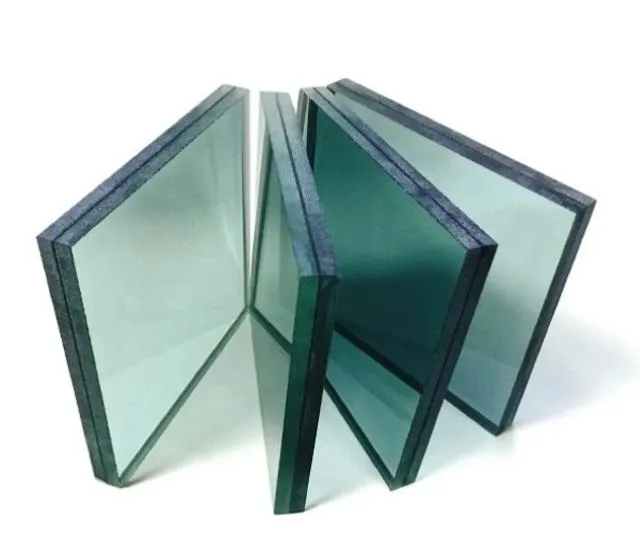
Door laminated glass consists of two or more layers of glass bonded together with an interlayer, usually made of polyvinyl butyral (PVB) or ionoplast interlayers like SentryGlas Plus (SGP). This interlayer holds the glass layers firmly in place, even when the glass is broken. The SGP Laminated Glass is a prime example of high - performance laminated glass, offering exceptional strength and clarity.
On the other hand, double - glazed glass is composed of two glass panes separated by a spacer filled with air or an inert gas such as argon. The spacer helps maintain the gap between the panes, creating an insulating layer. This design aims to reduce heat transfer and improve energy efficiency.
Safety and Security
One of the most significant advantages of door laminated glass is its safety features. In the event of breakage, the interlayer keeps the glass fragments attached, preventing them from scattering and causing injuries. This makes it an ideal choice for areas where safety is a concern, such as public buildings, schools, and homes with children. Additionally, laminated glass provides enhanced security as it is more difficult to break through compared to single - pane glass. Intruders would have a harder time shattering the glass and gaining access to the building.
Double - glazed glass, while offering some level of protection, does not have the same safety benefits as laminated glass. When double - glazed glass breaks, the individual panes can shatter into sharp pieces, posing a risk of injury. However, double - glazed windows can be made more secure by adding additional security features such as reinforced frames and locks.
Energy Efficiency
Energy efficiency is a crucial factor in modern building design. Double - glazed glass excels in this area. The air or gas - filled space between the two panes acts as an insulator, reducing heat transfer between the inside and outside of the building. This can lead to significant energy savings by reducing the need for heating and cooling systems. In colder climates, double - glazed glass helps keep the heat inside, while in warmer climates, it prevents heat from entering the building.
Door laminated glass also offers some energy - saving benefits, but to a lesser extent. The interlayer in laminated glass can provide some insulation, but it is not as effective as the insulating layer in double - glazed glass. However, if energy efficiency is not the primary concern and safety and security are more important, laminated glass can still be a viable option.
Sound Insulation
Both door laminated glass and double - glazed glass can provide sound insulation, but their performance varies. Laminated glass is particularly effective at reducing noise transmission. The interlayer absorbs and dampens sound waves, making it a great choice for buildings located in noisy areas such as near busy roads or airports. The Display Case Laminated Glass is often used in commercial settings where noise reduction is essential to create a quiet and comfortable environment for customers.
Double - glazed glass also offers good sound insulation, especially when the gap between the panes is filled with an appropriate gas. However, the sound - reducing capabilities of double - glazed glass may be slightly less than those of laminated glass, depending on the specific installation and the type of noise.
Aesthetics and Design
In terms of aesthetics, both types of glass can enhance the appearance of a door. Door laminated glass can be customized in various ways. It can be tinted to reduce glare and heat, or it can have decorative patterns or textures added to the interlayer. This allows for a wide range of design possibilities, making it suitable for both modern and traditional architectural styles. The Roof Laminated Glass is often used in contemporary building designs to create a sleek and stylish look.
Double - glazed glass provides a clean and modern look. It is available in different frame materials and colors, allowing it to blend in with the overall design of the building. However, the design options for double - glazed glass may be slightly more limited compared to laminated glass.

Cost
Cost is an important consideration when choosing between door laminated glass and double - glazed glass. Generally, laminated glass is more expensive than double - glazed glass. The cost of laminated glass is influenced by factors such as the type of interlayer, the thickness of the glass, and any additional features or customizations. However, the added safety and security features of laminated glass may justify the higher cost in some applications.
Double - glazed glass is more cost - effective, especially for large - scale projects where energy efficiency is a primary concern. The long - term energy savings associated with double - glazed glass can also offset the initial investment over time.
Maintenance
Both door laminated glass and double - glazed glass are relatively easy to maintain. Laminated glass can be cleaned with a mild glass cleaner and a soft cloth. It is important to avoid using abrasive materials that could scratch the glass or damage the interlayer.

Double - glazed glass also requires regular cleaning. The sealed unit should be inspected periodically to ensure that there are no signs of moisture or damage. If the seal is broken, the insulating properties of the double - glazed glass may be compromised.
Conclusion
In conclusion, both door laminated glass and double - glazed glass have their own unique advantages and disadvantages. Door laminated glass is an excellent choice for applications where safety, security, and sound insulation are the top priorities. It also offers a wide range of design options. Double - glazed glass, on the other hand, is ideal for projects where energy efficiency is the main concern. It provides good insulation and is more cost - effective in the long run.
As a door laminated glass supplier, I'm committed to providing high - quality products that meet the diverse needs of my customers. Whether you're looking for safety, energy efficiency, or aesthetics, I can help you find the right glass solution for your doors.

If you're interested in learning more about our door laminated glass products or would like to discuss a specific project, please feel free to contact us. We're here to assist you in making the best decision for your building.
References
- "Glass in Building: A Guide to Specification and Use" by the Glass and Glazing Federation.
- "Energy - Efficient Windows: A Comprehensive Guide" by the U.S. Department of Energy.
- "Safety Glass Standards and Regulations" by the International Organization for Standardization (ISO).


