


Hey there! As a supplier of Window Insulated Glass, I often get asked by customers, "How do I know if my window insulated glass has gas filling?" Well, I'm here to break it down for you in simple terms.
Why Gas Filling Matters
First off, let's talk about why gas filling is a big deal. Gas-filled insulated glass offers better insulation compared to regular glass. The most commonly used gases are argon, krypton, and xenon. These gases are inert, which means they don't react with other substances easily. They have lower thermal conductivity than air, so they can reduce heat transfer through the glass. This translates to better energy efficiency in your home or building. You'll save on heating and cooling costs, and your place will be more comfortable year - round.
Visual Inspection
One of the first ways to check if your window insulated glass has gas filling is through a visual inspection. But it's not always a foolproof method.
- Look at the edges: Most gas - filled insulated glass units have a spacer around the edges. This spacer is where the gas is sealed in. If you see a metal or plastic spacer that looks well - sealed and doesn't have any visible gaps or damage, it's a good sign that the glass might be gas - filled. However, just because there's a spacer doesn't necessarily mean it's filled with gas. Some non - gas - filled units also have spacers for structural support.
- Check for condensation: If you notice condensation between the panes of glass, it's a strong indication that the gas filling has failed. The gas is supposed to prevent moisture from getting inside the unit. When the seal is broken, air and moisture can enter, leading to condensation. This not only looks bad but also means that the insulation properties of the glass have been compromised.
Performance Testing
Another way to find out if your window insulated glass has gas filling is by testing its performance.
- Temperature difference: You can use an infrared thermometer to measure the temperature on the inside and outside surfaces of the glass. If the glass is gas - filled, you should notice a significant temperature difference between the two surfaces. This is because the gas acts as an insulator, reducing the heat transfer. For example, on a cold day, the inside surface of the glass should be warmer than the outside surface. If there's little to no temperature difference, it could mean that the gas filling is either low or non - existent.
- Sound insulation: Gas - filled insulated glass also provides better sound insulation. You can test this by standing near the window and listening to outside noises. If you notice a significant reduction in noise compared to a non - gas - filled window, it's likely that the glass has gas filling. However, keep in mind that other factors like the frame and the overall window installation can also affect sound insulation.
Manufacturer's Information
The easiest way to know if your window insulated glass has gas filling is to check the manufacturer's information.
- Product label: Most high - quality window insulated glass units come with a label that indicates whether they are gas - filled and what type of gas is used. Look for labels on the edge of the glass or on the window frame. The label might also provide information about the gas concentration and the warranty.
- Contact the manufacturer: If you can't find the label or if you have any doubts, you can contact the manufacturer directly. They should be able to provide you with detailed information about the product, including whether it has gas filling.
Other Types of Insulated Glass
As a supplier, I also deal with Roof Insulated Glass and Lowe Insulated Glass. The methods to check for gas filling in these types of glass are similar to those for window insulated glass.
- Roof Insulated Glass: This type of glass is designed for use in roofs and skylights. It needs to be even more energy - efficient and weather - resistant. When checking for gas filling in roof insulated glass, you can use the same visual inspection and performance testing methods. However, since it's installed on the roof, it might be more difficult to access for a detailed inspection.
- Lowe Insulated Glass: Low - emissivity (Lowe) insulated glass has a special coating that reflects heat. Gas filling in Lowe insulated glass further enhances its energy - efficiency. To check if Lowe insulated glass has gas filling, you can still look at the edges, test for condensation, and measure the temperature difference. The special coating on Lowe glass doesn't affect the methods of checking for gas filling.
Conclusion
Figuring out if your window insulated glass has gas filling can be a bit tricky. Visual inspection, performance testing, and checking the manufacturer's information are all useful methods. If you're still not sure, it might be a good idea to consult a professional.
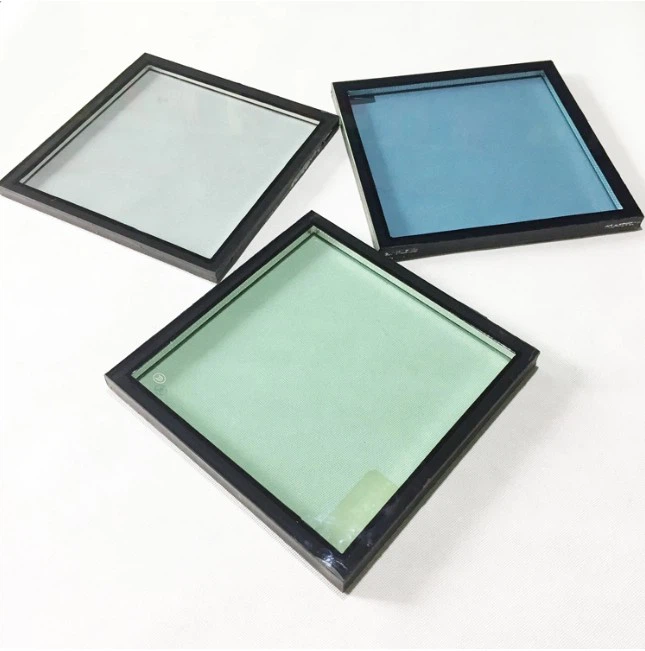

As a supplier of high - quality Window Insulated Glass, Roof Insulated Glass, and Lowe Insulated Glass, we ensure that all our products are properly gas - filled and meet the highest standards of quality and performance. If you're in the market for new insulated glass or need to replace your existing units, feel free to reach out to us for more information and to discuss your specific needs. We're here to help you make the best choice for your home or building.
References
- "Insulated Glass: A Guide to Understanding Its Benefits and Applications." Building Materials Magazine.
- "Testing Methods for Gas - Filled Insulated Glass Units." Glass Technology Research Journal.


