


Hey there! As a supplier of Vacuum Insulated Glass (VIG), I often get asked if this amazing product can be used in all climates. Well, let's dive right into it and find out.
First off, let's understand what Vacuum Insulated Glass is. It's a type of glass that has a vacuum layer between two or more panes of glass. This vacuum acts as an excellent insulator, reducing heat transfer and improving energy efficiency. It's like having a little bubble of protection against the elements.
Now, let's talk about different climates. We've got hot and humid climates, cold and dry climates, and everything in between.
In hot and humid climates, the main concern is keeping the indoor environment cool and comfortable. Vacuum Insulated Glass is a great solution here. Its high insulation properties help to block out the heat from the sun, reducing the need for air conditioning. This not only saves energy but also cuts down on electricity bills. For example, in places like Miami or Singapore, where the summers are long and hot, VIG can make a huge difference in maintaining a pleasant indoor temperature.
On the other hand, in cold and dry climates, the goal is to keep the heat inside the building. Vacuum Insulated Glass excels in this regard as well. The vacuum layer prevents heat from escaping, which means your heating system doesn't have to work as hard. In cities like Anchorage or Moscow, where winters are extremely cold, VIG can provide a significant boost to energy efficiency and comfort.
But what about extreme climates, like the deserts or the Arctic? In the desert, where temperatures can soar during the day and drop drastically at night, VIG can handle the rapid temperature changes. Its insulation properties remain stable, ensuring that your building stays comfortable regardless of the outside temperature. And in the Arctic, where it's freezing cold all year round, VIG can be a game-changer. It can keep the heat in and the cold out, making it possible to build energy-efficient structures in these harsh environments.
Now, let's talk about some specific applications of Vacuum Insulated Glass.
Freezer Door Insulated Glass is one area where VIG really shines. Freezers need to maintain a very low temperature, and VIG can help to keep the cold air inside and the warm air outside. This not only improves the efficiency of the freezer but also reduces the energy consumption.
Another great application is Roof Insulated Glass. In buildings with glass roofs, VIG can prevent heat gain during the summer and heat loss during the winter. It also provides better insulation against noise, making the indoor environment more peaceful.
And of course, we can't forget about Double Glazed Glass. VIG is an upgrade to traditional double glazed glass. It offers even better insulation, which means more energy savings and a more comfortable living environment.
But it's not all sunshine and rainbows. There are a few things to consider when using Vacuum Insulated Glass in different climates. For example, in very high humidity areas, there's a risk of condensation forming between the panes of glass. This can reduce the visibility and the insulation properties of the glass. To prevent this, proper ventilation and sealing are essential.
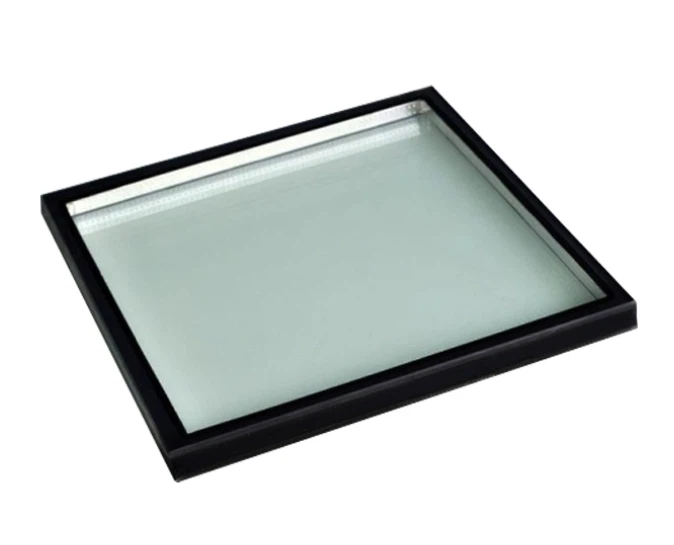

Also, in areas with extreme temperature fluctuations, the glass needs to be able to expand and contract without breaking. High-quality VIG is designed to withstand these changes, but it's still something to keep in mind.
So, can Vacuum Insulated Glass be used in all climates? The answer is yes, with a few considerations. It's a versatile and energy-efficient product that can provide significant benefits in a wide range of environments.
If you're interested in learning more about Vacuum Insulated Glass or are thinking about using it in your next project, I'd love to have a chat. Whether you're building a new home, a commercial building, or just looking to upgrade your existing windows, I can help you find the right solution for your needs.
Let's work together to create a more energy-efficient and comfortable world. Contact me today to start the conversation!
References:
- "Energy Efficiency of Vacuum Insulated Glass in Different Climates" - Journal of Building Science
- "Applications of Vacuum Insulated Glass in Extreme Environments" - International Journal of Glass Technology


