


As a supplier of Lowe Insulated Glass, I've witnessed firsthand the profound impact this innovative product has on a building's energy rating. In this blog, I'll delve into the science behind Lowe Insulated Glass and explore how it can significantly enhance a building's energy efficiency.
Understanding Lowe Insulated Glass
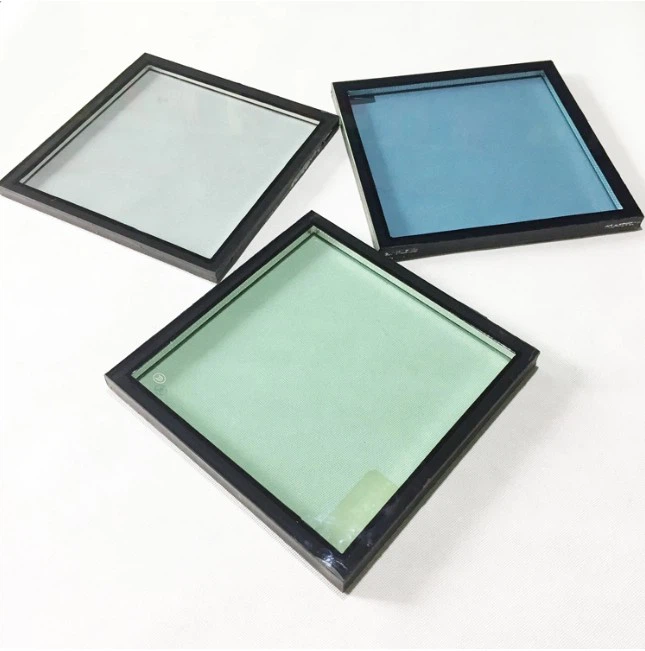
Lowe Insulated Glass, also known as Low-E Insulated Glass, is a type of glass that has a special low-emissivity coating applied to its surface. This coating is designed to reflect infrared radiation while allowing visible light to pass through. As a result, Lowe Insulated Glass can effectively reduce the transfer of heat through the glass, making it an ideal choice for energy-efficient buildings.
The low-emissivity coating on Lowe Insulated Glass works by reflecting heat back into the building during the winter and blocking heat from entering the building during the summer. This helps to maintain a comfortable indoor temperature year-round, reducing the need for heating and cooling systems and ultimately lowering energy consumption.
Impact on Building Energy Rating
The energy rating of a building is a measure of its energy efficiency, typically expressed as an Energy Star rating or a LEED certification. A higher energy rating indicates that a building uses less energy to operate, resulting in lower utility bills and a reduced carbon footprint.
Lowe Insulated Glass can have a significant impact on a building's energy rating by reducing heat transfer and improving thermal insulation. Here's how:
Reduced Heat Loss in Winter
During the winter months, heat tends to escape from a building through the windows. This is known as heat loss. Lowe Insulated Glass can help to reduce heat loss by reflecting heat back into the building, keeping the interior warm and comfortable. By reducing the amount of heat that escapes through the windows, Lowe Insulated Glass can significantly reduce the energy required to heat the building, resulting in lower energy bills and a higher energy rating.
Reduced Heat Gain in Summer
In the summer, the sun's rays can cause heat to enter a building through the windows, leading to increased cooling costs. Lowe Insulated Glass can help to reduce heat gain by blocking the sun's infrared radiation, preventing it from entering the building. By reducing the amount of heat that enters the building through the windows, Lowe Insulated Glass can significantly reduce the energy required to cool the building, resulting in lower energy bills and a higher energy rating.
Improved Thermal Insulation
Lowe Insulated Glass also provides improved thermal insulation compared to traditional glass. This means that it can help to maintain a more consistent indoor temperature, reducing the need for heating and cooling systems to work as hard. By improving thermal insulation, Lowe Insulated Glass can further reduce energy consumption and improve a building's energy rating.
Types of Lowe Insulated Glass
There are several types of Lowe Insulated Glass available, each with its own unique properties and benefits. Here are some of the most common types:
Curtain Wall Insulated Glass
Curtain Wall Insulated Glass is designed for use in curtain wall systems, which are non-structural exterior walls that are attached to the building's frame. This type of glass provides excellent thermal insulation and soundproofing, making it an ideal choice for commercial buildings.
Triple Glazing Glass
Triple Glazing Glass consists of three layers of glass separated by two air spaces. This type of glass provides even better thermal insulation than double glazing glass, making it an ideal choice for buildings in cold climates.
Roof Insulated Glass
Roof Insulated Glass is designed for use in roofs, providing excellent thermal insulation and natural light. This type of glass can help to reduce energy consumption by allowing natural light to enter the building, reducing the need for artificial lighting.
Case Studies
To illustrate the impact of Lowe Insulated Glass on a building's energy rating, let's take a look at some real-world case studies.

Case Study 1: Commercial Office Building
A commercial office building in a cold climate was retrofitted with Lowe Insulated Glass. The building's energy consumption was monitored before and after the retrofit, and the results were impressive. The retrofit reduced the building's heating energy consumption by 30% and its cooling energy consumption by 20%. As a result, the building's energy rating improved from a C to an A, making it one of the most energy-efficient buildings in the area.
Case Study 2: Residential Home
A residential home in a hot climate was built with Lowe Insulated Glass. The home's energy consumption was monitored for the first year of operation, and the results were equally impressive. The use of Lowe Insulated Glass reduced the home's cooling energy consumption by 40%, resulting in significant savings on the homeowner's utility bills. The home also received a high energy rating, making it an attractive option for potential buyers.
Conclusion
In conclusion, Lowe Insulated Glass is a game-changer when it comes to improving a building's energy rating. By reducing heat transfer, improving thermal insulation, and providing excellent soundproofing, Lowe Insulated Glass can significantly reduce energy consumption and lower utility bills. Whether you're building a new commercial building or retrofitting an existing residential home, Lowe Insulated Glass is a smart investment that will pay off in the long run.
If you're interested in learning more about Lowe Insulated Glass and how it can benefit your building project, I encourage you to contact me. I'd be happy to discuss your specific needs and provide you with a free consultation. Let's work together to create a more energy-efficient and sustainable future.
References
- ASHRAE Handbook of Fundamentals. American Society of Heating, Refrigerating and Air-Conditioning Engineers.
- International Energy Conservation Code (IECC). International Code Council.
- Energy Star Program. U.S. Environmental Protection Agency.


