


When it comes to choosing the right type of glass for your project, two popular options often come into consideration: laminated glass and tempered glass. As a supplier of laminated glass, I've had the privilege of working with various clients across different industries, helping them understand the differences between these two types of glass and make informed decisions. In this blog post, I'll delve into the characteristics, applications, and advantages of laminated glass and tempered glass to help you determine which one is best suited for your needs.
Understanding Laminated Glass
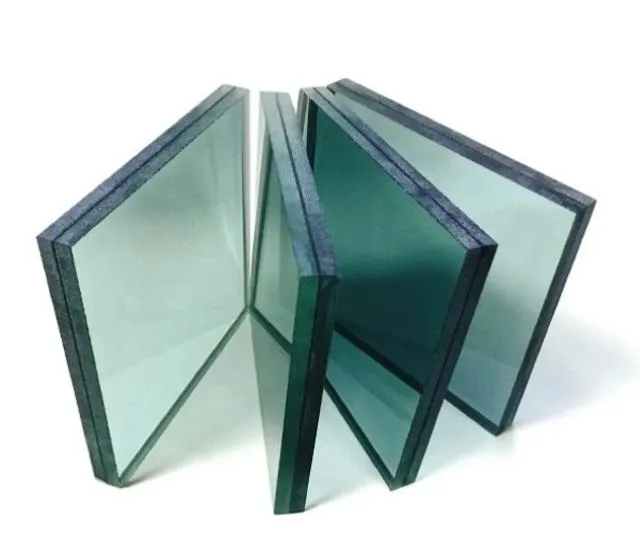
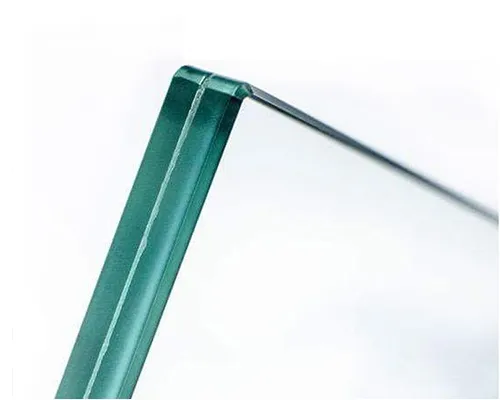
Laminated glass is a type of safety glass that consists of two or more layers of glass bonded together with an interlayer, typically made of polyvinyl butyral (PVB) or ethylene-vinyl acetate (EVA). This interlayer holds the glass layers together even when the glass is broken, preventing it from shattering into sharp pieces. The result is a more durable and safer glass that offers several benefits.
One of the primary advantages of laminated glass is its safety features. In the event of breakage, the interlayer keeps the glass fragments intact, reducing the risk of injury from flying shards. This makes laminated glass an ideal choice for applications where safety is a top priority, such as in automotive windshields, building facades, and areas prone to impact or vandalism.
Another benefit of laminated glass is its ability to provide sound insulation. The interlayer acts as a barrier to sound transmission, reducing noise levels from the outside environment. This makes laminated glass a popular choice for buildings located in noisy areas, such as near airports, highways, or industrial zones.
Laminated glass also offers excellent UV protection. The interlayer blocks a significant amount of ultraviolet (UV) radiation, which can cause fading and damage to furniture, flooring, and other interior materials. This helps to preserve the appearance and integrity of your interior spaces, making laminated glass a great option for windows and skylights.
In addition to its safety, sound insulation, and UV protection properties, laminated glass can also be customized to meet specific design requirements. It is available in a variety of thicknesses, colors, and finishes, allowing you to create a unique and aesthetically pleasing look for your project. For example, you can choose from clear, tinted, or reflective laminated glass to achieve the desired level of privacy, solar control, and visual appeal.
Some common applications of laminated glass include:
- Automotive Windshields: Laminated glass is the standard choice for automotive windshields due to its safety features. In the event of a collision, the interlayer holds the glass together, preventing it from shattering and protecting the occupants of the vehicle.
- Building Facades: Laminated glass is often used in building facades to enhance the safety and security of the building. It can also provide sound insulation and UV protection, making it a popular choice for commercial and residential buildings.
- Display Cases: Display Case Laminated Glass is a specialized type of laminated glass that is designed to protect valuable items on display. It offers high levels of security and visibility, making it ideal for museums, galleries, and retail stores.
- Roof Glazing: Roof Laminated Glass is used in roofing applications to provide natural light while maintaining the safety and integrity of the roof. It can also help to reduce energy costs by providing insulation and solar control.
- Mirrors: Mirror Laminated Glass combines the reflective properties of a mirror with the safety and durability of laminated glass. It is commonly used in bathrooms, dressing rooms, and other areas where safety is a concern.
Understanding Tempered Glass
Tempered glass, also known as safety glass, is a type of glass that has been treated with heat or chemicals to increase its strength and durability. During the tempering process, the glass is heated to a high temperature and then rapidly cooled, creating internal stresses that make the glass stronger and more resistant to breakage.
One of the main advantages of tempered glass is its strength. Tempered glass is typically four to five times stronger than regular glass, making it more resistant to impact and breakage. This makes tempered glass a popular choice for applications where strength and durability are important, such as in shower doors, balcony railings, and table tops.
Another benefit of tempered glass is its safety features. When tempered glass breaks, it shatters into small, granular pieces rather than sharp shards, reducing the risk of injury. This makes tempered glass a safer option for areas where people are likely to come into contact with the glass, such as in public buildings and homes.
Tempered glass also offers excellent thermal resistance. It can withstand high temperatures without breaking or warping, making it suitable for use in applications where heat is a concern, such as in ovens, stoves, and fireplace doors.
In addition to its strength, safety, and thermal resistance properties, tempered glass can also be customized to meet specific design requirements. It is available in a variety of thicknesses, sizes, and shapes, allowing you to create a unique and functional design for your project.
Some common applications of tempered glass include:
- Shower Doors: Tempered glass is the standard choice for shower doors due to its strength and safety features. It can withstand the impact of daily use and is less likely to break, reducing the risk of injury.
- Balcony Railings: Tempered glass is often used in balcony railings to provide a clear view while maintaining the safety and integrity of the railing. It can also withstand the wind and weather conditions, making it a durable option for outdoor applications.
- Table Tops: Tempered glass is a popular choice for table tops due to its strength and scratch resistance. It can withstand the weight of objects placed on it and is easy to clean, making it a practical and stylish option for homes and offices.
- Oven Doors: Tempered glass is used in oven doors to provide a clear view of the food being cooked while protecting the user from the high temperatures inside the oven. It can withstand the heat and pressure of the oven without breaking or warping.
- Fireplace Doors: Tempered glass is also used in fireplace doors to provide a barrier between the fire and the surrounding area. It can withstand the high temperatures and flames of the fireplace without breaking or shattering, making it a safe and practical option for homes.
Key Differences Between Laminated Glass and Tempered Glass
While both laminated glass and tempered glass are types of safety glass, they have several key differences that make them suitable for different applications. Here are some of the main differences between laminated glass and tempered glass:
- Breakage Pattern: One of the most significant differences between laminated glass and tempered glass is their breakage pattern. When laminated glass breaks, the interlayer holds the glass fragments together, preventing them from shattering into sharp pieces. In contrast, when tempered glass breaks, it shatters into small, granular pieces. This difference in breakage pattern makes laminated glass a safer option in applications where the risk of injury from flying shards is a concern, such as in automotive windshields and building facades.
- Strength and Durability: Tempered glass is generally stronger and more durable than laminated glass. It can withstand higher levels of impact and pressure without breaking, making it a better choice for applications where strength and durability are important, such as in shower doors and balcony railings. However, laminated glass can also be made to be very strong by using multiple layers of glass and a thicker interlayer.
- Sound Insulation and UV Protection: Laminated glass offers better sound insulation and UV protection than tempered glass. The interlayer in laminated glass acts as a barrier to sound transmission and blocks a significant amount of UV radiation, making it a popular choice for applications where noise reduction and UV protection are important, such as in windows and skylights.
- Customization Options: Both laminated glass and tempered glass can be customized to meet specific design requirements. However, laminated glass offers more customization options in terms of thickness, color, and finish. It can also be laminated with other materials, such as polycarbonate or acrylic, to enhance its performance and functionality.
- Cost: The cost of laminated glass and tempered glass can vary depending on several factors, such as the thickness, size, and customization options. In general, laminated glass is more expensive than tempered glass due to the additional manufacturing process and the cost of the interlayer. However, the cost difference may be justified by the added safety, sound insulation, and UV protection benefits of laminated glass.
Choosing the Right Glass for Your Project
When choosing between laminated glass and tempered glass for your project, it's important to consider your specific needs and requirements. Here are some factors to consider:
- Safety Requirements: If safety is your top priority, laminated glass is the better choice. Its ability to hold the glass fragments together in the event of breakage makes it a safer option in applications where the risk of injury from flying shards is a concern.
- Strength and Durability: If you need a glass that can withstand high levels of impact and pressure, tempered glass is the better choice. Its strength and durability make it suitable for applications where strength and durability are important, such as in shower doors and balcony railings.
- Sound Insulation and UV Protection: If you need a glass that can provide sound insulation and UV protection, laminated glass is the better choice. Its interlayer acts as a barrier to sound transmission and blocks a significant amount of UV radiation, making it a popular choice for applications where noise reduction and UV protection are important, such as in windows and skylights.
- Design Requirements: If you have specific design requirements, both laminated glass and tempered glass can be customized to meet your needs. However, laminated glass offers more customization options in terms of thickness, color, and finish. It can also be laminated with other materials, such as polycarbonate or acrylic, to enhance its performance and functionality.
- Cost: The cost of laminated glass and tempered glass can vary depending on several factors, such as the thickness, size, and customization options. In general, laminated glass is more expensive than tempered glass due to the additional manufacturing process and the cost of the interlayer. However, the cost difference may be justified by the added safety, sound insulation, and UV protection benefits of laminated glass.
Contact Us for More Information
As a supplier of laminated glass, I'm here to help you choose the right glass for your project. Whether you need laminated glass for a commercial building, a residential home, or an automotive application, I can provide you with the information and support you need to make an informed decision.
If you have any questions or would like to learn more about our laminated glass products, please don't hesitate to contact us. We'll be happy to discuss your specific needs and requirements and provide you with a free quote. Let's work together to find the perfect glass solution for your project.
References
- Glass Association of North America. (n.d.). Laminated Glass. Retrieved from [Website URL]
- National Glass Association. (n.d.). Tempered Glass. Retrieved from [Website URL]
- Architectural Glass & Metal. (n.d.). Laminated vs. Tempered Glass: What's the Difference? Retrieved from [Website URL]


