


Hey there! I'm a supplier of Vacuum Insulated Glass (VIG), and I've been getting a lot of questions lately about using VIG in aircraft. So, I thought I'd put together this blog post to talk about the special requirements for using VIG in the aviation world.
1. Weight Considerations
When it comes to aircraft, weight is a super big deal. Every extra pound can increase fuel consumption and reduce the plane's overall efficiency. That's why the VIG we supply for aircraft needs to be as light as possible.
We use advanced manufacturing techniques to make our VIG as thin and lightweight as we can without sacrificing its performance. Our engineers work hard to optimize the design of the glass, choosing the right materials that offer high strength - to - weight ratios. For example, we use special types of glass that are both strong and light, and we minimize the amount of any additional components used in the VIG construction.
Compared to traditional glass used in aircraft, our VIG might seem a bit pricier at first, but the long - term savings from reduced fuel consumption can really add up. Airlines are always looking for ways to cut costs, and using our lightweight VIG can be a great way to do that.
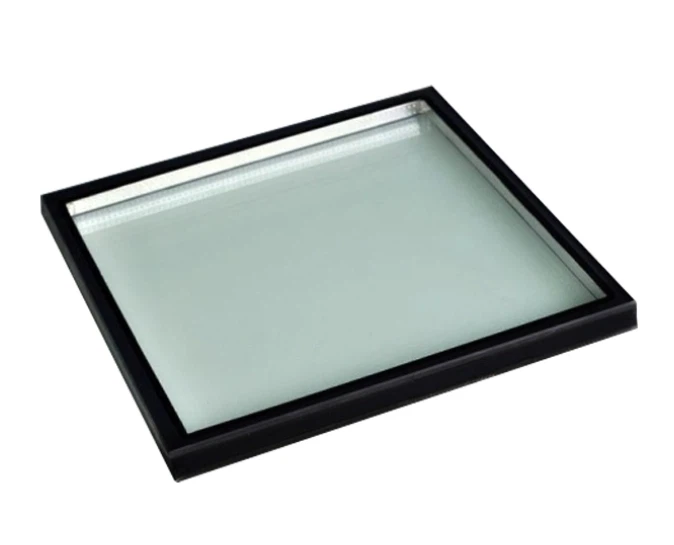
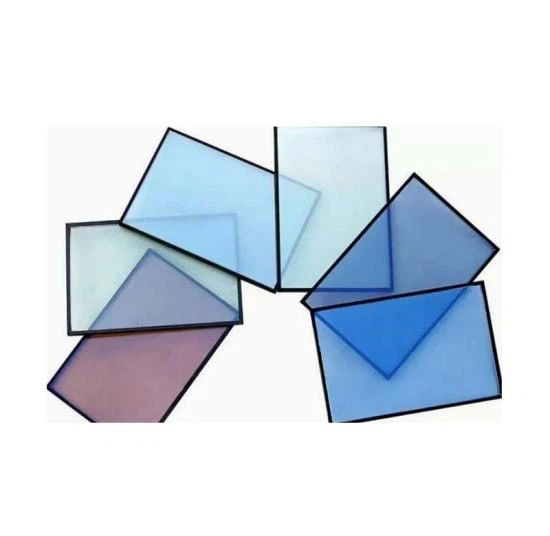
2. Safety and Durability
Safety is non - negotiable in the aviation industry. The VIG we supply for aircraft has to meet some seriously strict safety standards. It needs to be able to withstand extreme conditions, like rapid changes in temperature and pressure during flight.
Our VIG is designed to be highly resistant to impacts. We test it rigorously to make sure it can handle anything from small debris hitting the plane during takeoff and landing to more significant impacts. In addition, the glass has to be shatter - resistant. In case of an impact, it shouldn't break into sharp pieces that could harm passengers or damage the aircraft's interior.
We also ensure that our VIG can maintain its integrity over a long period. It has to resist corrosion, especially in the harsh environments that aircraft often operate in, such as high - humidity areas or places with a lot of salt in the air. Our quality control processes are top - notch, and we only supply glass that passes all of our strict safety and durability tests.
3. Acoustic Performance
Noise can be a real nuisance for passengers and crew on an aircraft. That's where our VIG comes in. It offers excellent acoustic insulation properties.
The vacuum layer in our VIG acts as a barrier to sound waves. This helps to reduce the amount of outside noise, like engine noise and wind noise, from entering the cabin. Passengers can enjoy a much quieter and more comfortable flight experience.
For airlines, this is a huge selling point. A quieter cabin can lead to happier passengers, which can translate into more repeat business. And for the crew, it can reduce stress and fatigue during long flights.
4. Optical Clarity
Good visibility is crucial for pilots and flight crew. Our VIG provides exceptional optical clarity. We use high - quality glass materials and precise manufacturing processes to ensure that there are no distortions or impurities in the glass.
This clear view is essential for safe takeoffs, landings, and in - flight navigation. Pilots need to be able to see clearly through the windows to assess the weather conditions, spot other aircraft, and navigate the runway. Our VIG meets all the optical requirements set by aviation authorities, so airlines can trust that they're getting a product that won't compromise safety.
5. Compatibility with Aircraft Systems
Our VIG has to be compatible with the existing aircraft systems. This includes things like the heating and cooling systems, as well as the aircraft's electrical systems if there are any electronic features associated with the windows.
For example, some modern aircraft have windows with built - in dimming capabilities. Our VIG can be designed to work seamlessly with these types of systems. We work closely with aircraft manufacturers to understand their specific requirements and ensure that our glass can be integrated smoothly into their designs.
Other Applications of Our Insulated Glass
While we're talking about aircraft, it's worth mentioning that our insulated glass has a wide range of other applications too. If you're interested in construction, we offer Roof Insulated Glass that provides excellent insulation for rooftops. It can help to keep buildings cool in the summer and warm in the winter.
We also have Skylight Window Insulated Glass which is perfect for adding natural light to a building while maintaining energy efficiency. And for regular windows, our Double Glazed Glass is a popular choice. It offers great insulation and noise reduction for homes and commercial buildings.
Let's Talk Business
If you're in the aviation industry or involved in any project that requires high - quality Vacuum Insulated Glass, I'd love to hear from you. Whether you're an aircraft manufacturer looking for a reliable glass supplier or an airline wanting to upgrade your fleet's windows, we've got the expertise and the products to meet your needs.
Contact us today to start a conversation about how our VIG can benefit your operations. We're always happy to provide samples, answer your questions, and work with you to find the best solutions for your specific requirements.
References
- Aviation Safety Regulations Handbook
- Glass Manufacturing and Testing Standards for Aerospace Applications
- Studies on Energy Efficiency in Aviation and Construction Industries


