


Hey there! As a supplier of window insulated glass, I've seen firsthand how crucial it is to consider safety when using this type of glass in high - rise buildings. In this blog, I'm gonna share some key safety aspects that you should keep in mind.
Structural Integrity
First off, the structural integrity of the window insulated glass is super important. High - rise buildings are exposed to a variety of environmental forces, like strong winds, seismic activity, and even the weight of the glass itself. When we're talking about window insulated glass, we need to make sure it can withstand these forces without breaking or failing.
We've got different types of window insulated glass, like Triple Glazing Glass. This type of glass has three layers, which generally provides better strength and insulation compared to double - glazed glass. The multiple layers distribute the stress more evenly, reducing the risk of breakage. For example, during a big storm with high - speed winds, the triple - glazed glass can resist the pressure better and keep the building safe.
Another factor is the frame that holds the glass. The frame needs to be strong and properly installed. A weak or poorly installed frame can cause the glass to shift or crack over time. We often recommend using high - quality metal or uPVC frames that are designed to support the weight and stress of the insulated glass. These frames should also be regularly inspected to ensure they're in good condition.
Fire Safety
Fire safety is a major concern in high - rise buildings. Window insulated glass can play a role in preventing the spread of fire and smoke. There are special types of fire - rated insulated glass available. These glasses are designed to withstand high temperatures for a certain period, giving people more time to evacuate the building in case of a fire.
Office Insulated Glass often needs to meet strict fire - safety standards. In an office building, where there are a lot of people and valuable equipment, the use of fire - rated insulated glass can be a life - saver. The glass can act as a barrier, preventing the fire from spreading through the windows and also reducing the amount of smoke that enters other parts of the building.
However, it's not just about the glass itself. The seals around the glass also need to be fire - resistant. If the seals are not fire - rated, they can melt or burn during a fire, allowing the fire and smoke to pass through. So, when choosing window insulated glass for high - rise buildings, make sure to consider the fire - safety features of both the glass and the seals.
Thermal Safety
Thermal safety is another aspect that's often overlooked. In high - rise buildings, the sun can heat up the glass significantly, especially on the south - facing sides. If the glass gets too hot, it can cause thermal stress, which may lead to cracking.
Vacuum Insulated Glass is a great option when it comes to thermal safety. The vacuum layer in this type of glass acts as an excellent insulator, reducing the amount of heat transfer. This means that the glass won't get as hot as regular glass, even on a sunny day. As a result, the risk of thermal cracking is greatly reduced.

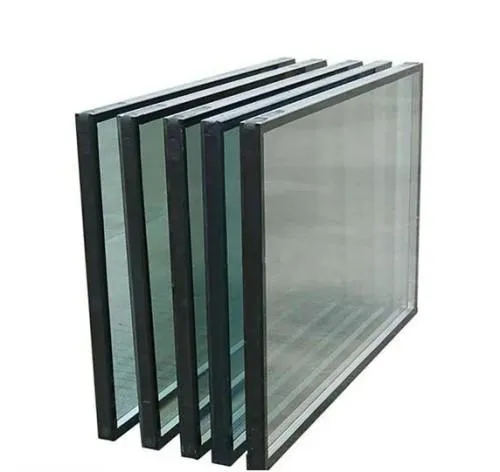
Moreover, proper ventilation around the windows is also important. If the air can't circulate properly, the heat can build up around the glass, increasing the thermal stress. So, make sure that there are adequate air gaps and ventilation systems in place to keep the glass at a safe temperature.
Impact Resistance
High - rise buildings are at risk of being hit by flying objects, such as debris during a storm or even small projectiles. That's why impact resistance is a key safety consideration for window insulated glass.
We can use laminated glass in the insulated units to improve impact resistance. Laminated glass consists of two or more layers of glass with a plastic interlayer in between. When the glass is hit, the plastic interlayer holds the glass fragments together, preventing them from shattering and falling to the ground. This is not only safer for the people inside the building but also for those outside, as it reduces the risk of injury from falling glass.
In areas prone to extreme weather conditions or where there's a higher risk of impact, it's advisable to choose window insulated glass with a high impact - resistance rating. This way, you can be more confident that the glass will protect the building and its occupants in case of an impact.
Maintenance and Inspection
Last but not least, regular maintenance and inspection are essential for ensuring the safety of window insulated glass in high - rise buildings. Over time, the glass can get dirty, the seals can deteriorate, and the frames can become loose.
We recommend cleaning the glass regularly to remove dirt and debris, which can affect the glass's performance. Inspect the seals for any signs of damage, such as cracks or gaps. If the seals are damaged, they should be replaced immediately to maintain the insulation and safety of the glass.
Also, check the frames for any signs of corrosion or wear. If the frames are starting to show signs of damage, they may need to be repaired or replaced. By keeping up with regular maintenance and inspection, you can catch any potential safety issues early and prevent them from becoming major problems.
In conclusion, when it comes to using window insulated glass in high - rise buildings, there are several important safety considerations. From structural integrity and fire safety to thermal safety, impact resistance, and maintenance, every aspect plays a crucial role in ensuring the safety of the building and its occupants.
If you're in the market for window insulated glass for your high - rise building project, I'd love to have a chat with you. We can discuss your specific needs and find the best solutions to meet your safety requirements. Feel free to reach out and start the conversation about your next project.
References
- Building Codes and Standards for High - Rise Buildings
- Research Papers on Window Insulated Glass Safety
- Industry Guidelines for Window Installation and Maintenance


