


Hey there! I'm a supplier of Roof Insulated Glass, and I know firsthand how important it is to protect this type of glass from hail. Hail can cause serious damage to roof insulated glass, leading to costly repairs or even replacements. In this blog post, I'll share some tips on how to protect your roof insulated glass from hail.

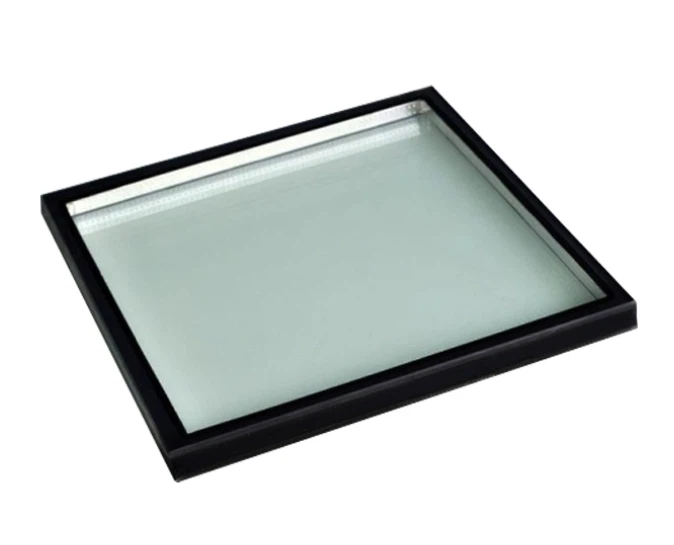
Understanding the Threat of Hail
Before we dive into the protection methods, it's important to understand the threat that hail poses to roof insulated glass. Hailstones can vary in size, from small pea-sized pellets to large golf ball-sized chunks. The impact of these hailstones can crack, chip, or even shatter the glass, compromising its integrity and functionality.
The risk of hail damage depends on several factors, including the size and velocity of the hailstones, the angle of impact, and the quality of the glass. High-quality Roof Insulated Glass is generally more resistant to hail damage than lower-quality glass, but it's still important to take precautions.
Pre-Hail Preparation
One of the best ways to protect your roof insulated glass from hail is to take preventive measures before a hailstorm hits. Here are some steps you can take:
- Install Impact-Resistant Glass: Consider using impact-resistant Roof Insulated Glass for your roofing project. This type of glass is designed to withstand the impact of hailstones and other debris, reducing the risk of damage. Impact-resistant glass is typically made with a laminated layer that holds the glass together if it breaks, preventing shards from falling and causing injury.
- Use Protective Coverings: If you know a hailstorm is coming, you can use protective coverings to shield your roof insulated glass. There are several types of coverings available, including tarps, blankets, and protective films. These coverings can absorb the impact of the hailstones and prevent them from hitting the glass directly. Make sure the coverings are securely fastened to prevent them from blowing off during the storm.
- Trim Trees and Remove Debris: Overhanging branches and debris can increase the risk of hail damage to your roof insulated glass. Trim any trees that are close to your roof and remove any debris, such as leaves, twigs, and branches, from the roof surface. This will reduce the likelihood of debris being blown onto the glass during the storm and causing damage.
- Inspect Your Roof Regularly: Regular inspections of your roof can help you identify any potential issues before a hailstorm hits. Look for signs of damage, such as cracks, chips, or loose seals, and have them repaired immediately. A well-maintained roof is more likely to withstand the impact of hail and other weather events.
During the Hailstorm
If a hailstorm catches you by surprise, there are still some steps you can take to protect your roof insulated glass:
- Stay Indoors: During a hailstorm, it's important to stay indoors and away from windows and glass doors. Hailstones can break through glass and cause serious injury. If possible, move to a room on the lowest level of your home or building, away from windows and skylights.
- Turn off Electrical Appliances: Hailstorms can sometimes be accompanied by lightning, which can cause power surges and damage electrical appliances. Turn off all electrical appliances and unplug them from the outlets to prevent damage.
- Monitor the Storm: Keep an eye on the hailstorm and its intensity. If the hail is particularly large or intense, it may be a good idea to take additional precautions, such as moving furniture away from windows or covering it with protective blankets.
- Document the Damage: After the hailstorm has passed, inspect your roof insulated glass for damage. Take photos or videos of any damage you find, as this will be useful for insurance claims and repairs. Make a list of the damaged areas and any other relevant information, such as the size and location of the hailstones.
Post-Hail Repairs and Maintenance
If your roof insulated glass has been damaged by hail, it's important to have it repaired or replaced as soon as possible. Here are some steps you can take:
- Contact Your Insurance Company: If you have insurance coverage for hail damage, contact your insurance company as soon as possible to file a claim. Provide them with the photos and videos you took of the damage, as well as any other relevant information. Your insurance company will send an adjuster to assess the damage and determine the amount of coverage you are eligible for.
- Hire a Professional Contractor: Once you have filed your insurance claim, hire a professional contractor to repair or replace your roof insulated glass. Make sure the contractor is licensed, insured, and experienced in working with Roof Insulated Glass. They will be able to assess the damage and recommend the best course of action.
- Follow the Manufacturer's Recommendations: When repairing or replacing your roof insulated glass, it's important to follow the manufacturer's recommendations. Use the same type and quality of glass as the original, and make sure it is installed correctly. This will ensure that your roof insulated glass performs as expected and provides the same level of protection as before.
- Maintain Your Roof Regularly: After the repairs are complete, it's important to maintain your roof regularly to prevent future damage. Clean the roof surface regularly to remove dirt, debris, and other contaminants. Inspect the roof for signs of damage, such as cracks, chips, or loose seals, and have them repaired immediately. A well-maintained roof is more likely to withstand the impact of hail and other weather events.
Other Considerations
In addition to the above tips, there are some other considerations to keep in mind when protecting your roof insulated glass from hail:
- Choose the Right Location: When installing Roof Insulated Glass, choose a location that is less likely to be affected by hail. Avoid areas that are exposed to high winds or that are prone to hail storms. If possible, install the glass on a sloped roof to allow hailstones to roll off more easily.
- Consider the Angle of the Glass: The angle of the glass can also affect its resistance to hail damage. Glass that is installed at a steeper angle is more likely to deflect hailstones and reduce the risk of damage. When designing your roof, consider the angle of the glass and choose an angle that is appropriate for your location and climate.
- Use Additional Protection for Skylights: Skylights are particularly vulnerable to hail damage because they are exposed to the elements and have a large surface area. If you have skylights in your roof, consider using additional protection, such as impact-resistant Skylight Window Insulated Glass or protective coverings.
- Invest in Reflective Insulated Glass: Reflective Insulated Glass can help reduce the risk of hail damage by reflecting the sun's rays and reducing the heat buildup in the glass. This can make the glass less likely to expand and contract, which can cause cracks and other damage. Reflective insulated glass is also more energy-efficient, which can help reduce your energy costs.
Conclusion
Protecting your roof insulated glass from hail is an important part of maintaining the integrity and functionality of your roof. By taking preventive measures, such as installing impact-resistant glass, using protective coverings, and trimming trees, you can reduce the risk of hail damage. If a hailstorm does occur, stay indoors, turn off electrical appliances, and monitor the storm. After the storm, inspect your roof for damage and have any repairs or replacements done as soon as possible.
As a supplier of Roof Insulated Glass, I'm here to help you choose the right glass for your roofing project and provide you with the information and support you need to protect it from hail and other weather events. If you have any questions or need more information, please don't hesitate to contact us. We're always happy to help!
References
- American Society of Civil Engineers. (2019). Minimum Design Loads and Associated Criteria for Buildings and Other Structures (ASCE 7-16). Reston, VA: American Society of Civil Engineers.
- International Code Council. (2018). International Building Code (IBC). Washington, DC: International Code Council.
- National Roofing Contractors Association. (2020). Roofing Manual. Rosemont, IL: National Roofing Contractors Association.


