


As a supplier of Roof Insulated Glass, I often encounter inquiries from clients about the fire - resistance testing of our products. Fire safety is a critical concern, especially for roofing applications where the glass is exposed to various environmental factors and potential fire hazards. In this blog, I will delve into the methods and procedures used to test the fire - resistance of roof insulated glass.
Understanding the Importance of Fire - Resistance Testing
Roof insulated glass is used in a wide range of buildings, from residential homes to commercial skyscrapers. In the event of a fire, the glass in the roof needs to maintain its integrity for a certain period. This not only prevents the spread of fire and smoke from the inside of the building to the outside but also provides a safe environment for evacuation and firefighting operations. Therefore, fire - resistance testing is essential to ensure that the glass meets the required safety standards.
Types of Roof Insulated Glass
Before discussing the testing procedures, it's important to understand the different types of roof insulated glass. We offer several types, including Vacuum Insulated Glass, Reflective Insulated Glass, and Skylight Window Insulated Glass. Each type has its own characteristics and performance requirements, which may affect the fire - resistance testing results.
- Vacuum Insulated Glass: This type of glass has a vacuum layer between two glass panes, which provides excellent thermal insulation. The vacuum layer also affects the heat transfer during a fire, and its fire - resistance performance depends on factors such as the thickness of the glass and the quality of the vacuum seal.
- Reflective Insulated Glass: Reflective glass has a special coating that reflects a significant amount of solar radiation. In a fire, this coating may influence the glass's ability to resist heat and prevent the spread of flames.
- Skylight Window Insulated Glass: Designed specifically for skylights, this glass needs to withstand not only fire but also other weather conditions. Its fire - resistance testing takes into account the unique installation and use scenarios of skylights.
Standard Testing Methods
The fire - resistance testing of roof insulated glass is carried out in accordance with internationally recognized standards. One of the most commonly used standards is ASTM E119 in the United States and BS 476 in the United Kingdom. These standards define the test conditions, including the temperature - time curve, the duration of the test, and the acceptance criteria.
Furnace Testing
The primary method for testing the fire - resistance of roof insulated glass is furnace testing. In this test, a sample of the glass is installed in a test frame that simulates the actual installation conditions. The test frame is then placed in a furnace, where the temperature is gradually increased according to a predefined temperature - time curve. The curve typically represents the development of a fire in a building, with a rapid increase in temperature followed by a more stable phase.

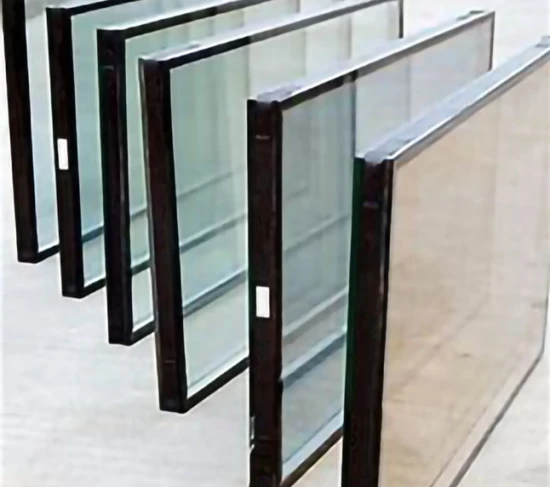
During the test, the glass is monitored for various parameters, including:
- Integrity: This refers to the ability of the glass to prevent the passage of flames and hot gases. If the glass breaks or develops cracks that allow flames or gases to pass through, it fails to meet the integrity requirement.
- Insulation: The insulation performance is measured by the temperature rise on the non - fire side of the glass. If the temperature rise exceeds a certain limit, the glass fails the insulation test.
- Radiation: In some cases, the amount of radiant heat passing through the glass is also measured. Excessive radiation can contribute to the spread of fire in adjacent areas.
The test duration can range from 30 minutes to several hours, depending on the required fire - resistance rating. For example, a glass with a 60 - minute fire - resistance rating needs to maintain its integrity and insulation properties for at least 60 minutes under the test conditions.
Impact Testing
In addition to furnace testing, impact testing is also conducted to simulate the effects of falling objects or debris during a fire. A weighted pendulum or a steel ball is used to strike the glass at a specified height and velocity. The glass is then inspected for cracks or breakage. This test is important because damaged glass may lose its fire - resistance properties more quickly.
Factors Affecting Fire - Resistance
Several factors can affect the fire - resistance of roof insulated glass:
- Glass Thickness: Generally, thicker glass has better fire - resistance performance. Thicker glass can withstand higher temperatures and take longer to break or crack.
- Interlayer Material: In laminated insulated glass, the interlayer material plays a crucial role in fire - resistance. Some interlayers can char and form a protective layer that prevents the spread of flames.
- Edge Sealing: Proper edge sealing is essential to prevent the ingress of hot gases and flames. A poor seal can compromise the glass's fire - resistance.
- Installation: The way the glass is installed also affects its fire - resistance. A secure and well - insulated installation can enhance the overall performance of the glass.
Our Commitment to Quality
As a supplier, we are committed to providing high - quality roof insulated glass that meets or exceeds the relevant fire - resistance standards. We conduct rigorous testing on all our products to ensure their safety and reliability. Our testing facilities are equipped with state - of - the - art equipment, and our technicians are highly trained to perform accurate and reliable tests.
Contact Us for Procurement
If you are interested in purchasing our roof insulated glass or have any questions about our fire - resistance testing procedures, we encourage you to contact us for a detailed discussion. We can provide you with samples, technical specifications, and pricing information. Our team of experts is ready to assist you in finding the best solution for your project.
References
- ASTM International. (Year). ASTM E119 - Standard Test Methods for Fire Tests of Building Construction and Materials.
- British Standards Institution. (Year). BS 476 - Fire Tests on Building Materials and Structures.


