


As a supplier of Vacuum Insulated Glass, I've witnessed firsthand the remarkable impact that coatings can have on the performance of this advanced glazing solution. In this blog, I'll delve into the science behind the coatings on Vacuum Insulated Glass and explore how they enhance its functionality, efficiency, and overall value.
Understanding Vacuum Insulated Glass
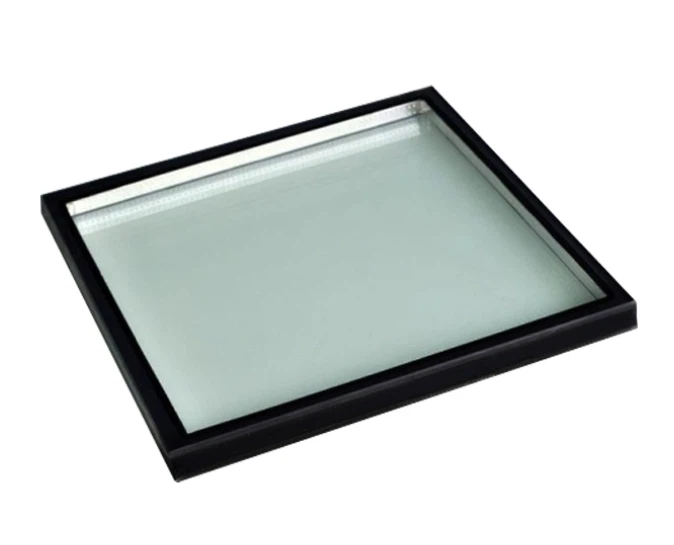
Before we discuss the role of coatings, let's briefly review what Vacuum Insulated Glass is. Vacuum Insulated Glass consists of two or more glass panes separated by a narrow vacuum gap. This vacuum acts as an excellent insulator, significantly reducing heat transfer compared to traditional single-pane or double-pane glass. The result is improved energy efficiency, reduced heating and cooling costs, and enhanced comfort in buildings.
You can learn more about Vacuum Insulated Glass by visiting our website: Vacuum Insulated Glass.
The Role of Coatings in Vacuum Insulated Glass
Coatings play a crucial role in optimizing the performance of Vacuum Insulated Glass. They are applied to the surface of the glass panes to enhance specific properties and address various challenges. Here are some of the key ways in which coatings can affect the performance of Vacuum Insulated Glass:

1. Thermal Insulation
One of the primary functions of coatings on Vacuum Insulated Glass is to improve thermal insulation. Low-emissivity (low-E) coatings are commonly used for this purpose. These coatings have a very low emissivity, which means they reflect a significant portion of the infrared radiation (heat) that tries to pass through the glass. By reducing the amount of heat transfer, low-E coatings help to keep buildings warmer in the winter and cooler in the summer, resulting in energy savings and increased comfort.
For example, a high-performance low-E coating can reduce the U-factor (a measure of heat transfer) of Vacuum Insulated Glass by up to 50% compared to uncoated glass. This means that less heat is lost through the glass in cold weather and less heat is gained in hot weather, leading to lower energy consumption and reduced utility bills.
2. Solar Control
In addition to thermal insulation, coatings can also provide solar control. Solar control coatings are designed to block or reflect a portion of the solar radiation, including visible light, infrared radiation, and ultraviolet (UV) radiation. By reducing the amount of solar heat gain, these coatings help to keep buildings cooler and more comfortable, especially in sunny climates.
Solar control coatings can be customized to meet specific requirements, such as reducing glare, improving daylighting, and protecting interior furnishings from UV damage. For example, a spectrally selective solar control coating can allow a high percentage of visible light to pass through the glass while blocking a significant portion of the solar heat and UV radiation. This provides a balance between natural light and energy efficiency, creating a more pleasant and sustainable indoor environment.
3. Condensation Resistance
Another important benefit of coatings on Vacuum Insulated Glass is improved condensation resistance. Condensation occurs when warm, moist air comes into contact with a cold surface, such as a window. This can lead to water droplets forming on the glass, which can reduce visibility, cause damage to the window frame and surrounding materials, and promote the growth of mold and mildew.
Anti-condensation coatings are designed to prevent or reduce the formation of condensation on the glass surface. These coatings work by either increasing the surface temperature of the glass or by reducing the surface tension of the water droplets, causing them to spread out and evaporate more quickly. By preventing condensation, anti-condensation coatings help to maintain clear visibility, protect the integrity of the window system, and improve indoor air quality.
4. Durability and Scratch Resistance
Coatings can also enhance the durability and scratch resistance of Vacuum Insulated Glass. Hard coatings, such as diamond-like carbon (DLC) coatings, can provide a protective layer on the glass surface, making it more resistant to scratches, abrasions, and chemical damage. This helps to extend the lifespan of the glass and maintain its optical clarity over time.
In addition, some coatings can also improve the resistance of Vacuum Insulated Glass to environmental factors, such as moisture, UV radiation, and temperature fluctuations. This makes the glass more suitable for use in harsh climates and outdoor applications, where it may be exposed to extreme conditions.
Types of Coatings for Vacuum Insulated Glass
There are several types of coatings that can be used on Vacuum Insulated Glass, each with its own unique properties and benefits. Here are some of the most common types of coatings:
1. Low-E Coatings
Low-E coatings are the most widely used type of coating for Vacuum Insulated Glass. They are typically made of a thin layer of metal or metal oxide, such as silver or tin oxide, which is applied to the glass surface using a vacuum deposition process. Low-E coatings can be classified into two main categories: hard-coat and soft-coat.
Hard-coat low-E coatings are more durable and scratch-resistant than soft-coat low-E coatings. They are typically used in applications where the glass is exposed to harsh conditions or where frequent cleaning is required. Soft-coat low-E coatings, on the other hand, offer superior thermal performance and are more commonly used in residential and commercial buildings.
2. Solar Control Coatings
Solar control coatings can be divided into two main types: reflective coatings and absorptive coatings. Reflective coatings work by reflecting a portion of the solar radiation back into the atmosphere, while absorptive coatings absorb the solar radiation and convert it into heat, which is then dissipated through the glass.
Reflective coatings are typically made of a thin layer of metal or metal oxide, such as aluminum or titanium oxide, which is applied to the glass surface using a vacuum deposition process. Absorptive coatings, on the other hand, are typically made of a dye or pigment that is incorporated into the glass during the manufacturing process.
3. Anti-condensation Coatings
Anti-condensation coatings can be classified into two main types: hydrophilic coatings and hydrophobic coatings. Hydrophilic coatings work by increasing the surface energy of the glass, causing the water droplets to spread out and form a thin film. This helps to prevent the formation of large water droplets and improves the visibility through the glass.
Hydrophobic coatings, on the other hand, work by reducing the surface energy of the glass, causing the water droplets to bead up and roll off the surface. This helps to prevent the water droplets from sticking to the glass and reduces the risk of condensation.
4. Hard Coatings
Hard coatings, such as diamond-like carbon (DLC) coatings, are typically applied to the outer surface of the glass to provide a protective layer. These coatings are very hard and scratch-resistant, making them ideal for use in applications where the glass is exposed to harsh conditions or where frequent cleaning is required.
Choosing the Right Coating for Your Application
When choosing a coating for your Vacuum Insulated Glass, it's important to consider your specific requirements and the intended application. Here are some factors to consider:
1. Climate and Location
The climate and location of your building will play a significant role in determining the type of coating you need. In cold climates, a low-E coating with high thermal insulation properties may be the most suitable choice. In hot climates, a solar control coating with high solar heat rejection properties may be more appropriate.
2. Building Orientation and Design
The orientation and design of your building will also affect the performance of the coating. For example, if your building has a lot of south-facing windows, a solar control coating may be necessary to reduce the amount of solar heat gain. If your building has a lot of north-facing windows, a low-E coating with high visible light transmittance may be more beneficial to maximize natural light.
3. Energy Efficiency Goals
Your energy efficiency goals will also influence the choice of coating. If you're looking to achieve a high level of energy efficiency, a combination of low-E and solar control coatings may be required. If you're on a budget, you may need to prioritize one type of coating over the other.
4. Aesthetic Requirements
Finally, you'll also need to consider the aesthetic requirements of your building. Coatings can have different colors, tints, and finishes, which can affect the appearance of the glass. You'll need to choose a coating that complements the overall design and style of your building.
Conclusion
In conclusion, the coating on Vacuum Insulated Glass plays a crucial role in enhancing its performance, efficiency, and overall value. By improving thermal insulation, solar control, condensation resistance, and durability, coatings can help to create a more comfortable, energy-efficient, and sustainable indoor environment.
As a supplier of Vacuum Insulated Glass, we offer a wide range of coatings to meet your specific requirements. Whether you're looking for a high-performance low-E coating, a solar control coating, an anti-condensation coating, or a hard coating, we can provide you with the right solution.
If you're interested in learning more about our Vacuum Insulated Glass products and coatings, or if you have any questions or need assistance with your project, please don't hesitate to contact us. We'd be happy to discuss your needs and provide you with a customized solution.
Let's work together to create a more sustainable and comfortable future with Vacuum Insulated Glass.
References
- Glass Association of North America. (n.d.). Vacuum Insulated Glass. Retrieved from https://www.glasswebsite.com/
- International Window Film Association. (n.d.). Window Film Technology. Retrieved from https://www.windowfilm.com/
- National Fenestration Rating Council. (n.d.). Understanding Window Performance Ratings. Retrieved from https://www.nfrc.org/


