


Yo, folks! I'm a supplier of tempered glass, and I've seen a lot of debates going on about how tempered glass stacks up against tempered plastic. So, I thought I'd jump in and share my two cents on this topic.
First off, let's talk about what tempered glass and tempered plastic actually are. Tempered glass is made by heating regular glass to a high temperature and then rapidly cooling it. This process makes the glass stronger and more resistant to breakage. When it does break, it shatters into small, rounded pieces instead of sharp shards, which is a major safety advantage.
On the other hand, tempered plastic is a type of plastic that has been treated to increase its strength and durability. It's often used as a lightweight alternative to glass. There are different types of tempered plastics, like polycarbonate, which is known for its high impact resistance.
Strength and Durability
When it comes to strength, tempered glass is pretty tough. It can withstand a significant amount of pressure before it breaks. For example, in construction, Pattern Tempered Glass is often used in areas where there's a risk of impact, like in some architectural features. Its surface is more scratch - resistant compared to most tempered plastics. You can use it in high - traffic areas without worrying too much about scratches ruining its appearance.
Tempered plastic, though, has its own strengths. Polycarbonate, a common type of tempered plastic, can take a huge impact without cracking. It's used in things like bullet - resistant windows and safety goggles. But it's more prone to scratching. If you use a tempered plastic surface in a place where it gets a lot of abrasion, it'll start to look cloudy and worn out over time.
Transparency
One of the big selling points of tempered glass is its transparency. It offers crystal - clear visibility, which is why it's so popular in display cases. Display Tempered Glass is perfect for showing off products in stores because it doesn't distort the view. You can see the item inside exactly as it is, without any color tints or blurriness.
Tempered plastic also has good transparency, but it's not quite as clear as glass. Some types of tempered plastic may have a slight yellowish tint, especially as they age. This can be a problem if you're using it for applications where color accuracy and perfect clarity are crucial, like in high - end display units.
Heat Resistance
Tempered glass can handle high temperatures pretty well. It's used in things like oven doors and fireplace screens. It won't warp or melt under normal high - heat conditions. This makes it a great choice for applications where heat is involved.
Tempered plastic, however, has a lower heat resistance. If you expose it to high temperatures for too long, it can start to warp or even melt. So, you can't really use it in the same high - heat applications as tempered glass.
Cost
Cost is always a factor when choosing between materials. Tempered glass is generally more expensive than tempered plastic. The manufacturing process of tempered glass is more complex and requires more energy. But when you consider its long - term durability and safety features, the extra cost can be worth it.
Tempered plastic is a more budget - friendly option. It's lighter, which means lower shipping costs in some cases. If you're on a tight budget and don't need the extreme durability or high - heat resistance of glass, tempered plastic might be the way to go.
Applications
Tempered glass has a wide range of applications. In construction, Garage Door Tempered Glass adds a touch of style while still being safe and durable. It's also used in mobile phone screens, where its scratch - resistance and clarity are highly valued.
Tempered plastic is often used in situations where weight is a concern, like in aircraft windows or some automotive parts. It's also a popular choice for protective covers in electronic devices because of its impact resistance.
Maintenance
Maintaining tempered glass is relatively easy. You can clean it with regular glass cleaners, and it doesn't require any special treatments. As long as you don't subject it to extreme impacts, it'll last a long time.
Tempered plastic needs a bit more care. You have to use special cleaners that are designed for plastic to avoid scratching the surface. And you need to be careful with what you use to clean it, as some harsh chemicals can damage the plastic.
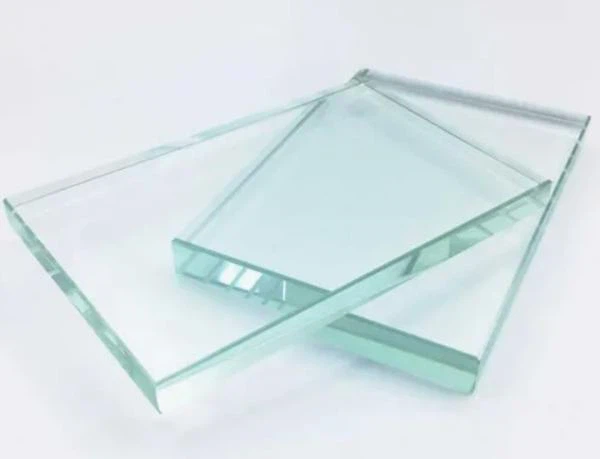

So, which one should you choose? Well, it really depends on your specific needs. If you need something that's super clear, heat - resistant, and scratch - resistant, tempered glass is the way to go. But if you're looking for a lightweight, budget - friendly option with good impact resistance, tempered plastic might be a better choice.
If you're interested in purchasing tempered glass for your project, whether it's for construction, displays, or any other application, I'd love to have a chat with you. Reach out to me to discuss your requirements, and we can figure out the best solution for you.
References
- Various industry reports on glass and plastic materials
- Manufacturer specifications for tempered glass and tempered plastic products


