


Hey there! I'm a supplier of Lowe Insulated Glass, and today I wanna chat about how we handle moisture infiltration. It's a big deal in the glass industry, and we've got some solid strategies to keep our products in top - notch condition.
Understanding Moisture Infiltration
First off, let's talk about what moisture infiltration is. In simple terms, it's when water vapor gets into the space between the panes of insulated glass. This can happen due to a bunch of reasons, like poor sealing, temperature changes, or high humidity in the environment. When moisture sneaks in, it can cause all sorts of problems. For example, it can lead to fogging on the glass, which not only looks bad but also reduces visibility. It can also damage the Low - E coating on the glass, affecting its energy - efficiency.
Our Sealing Technology
At our company, we use state - of - the - art sealing technology to prevent moisture from getting in. We start with a primary seal, which is usually made of butyl rubber. This stuff is great because it has excellent adhesion properties and forms a tight bond with the glass. It acts as the first line of defense against moisture.
After the primary seal, we apply a secondary seal. This is typically a polysulfide or silicone sealant. These materials are flexible and can withstand temperature changes without cracking. They provide an extra layer of protection, making it even harder for moisture to penetrate. We take the time to make sure the seals are applied evenly and without any gaps. Even the tiniest crack or hole can be an entry point for moisture, so we're super careful during this process.
Desiccant Usage
Another key part of our moisture - control strategy is the use of desiccants. Desiccants are materials that absorb moisture. In our insulated glass units, we place desiccants in the spacer bars between the glass panes. These desiccants are designed to trap any moisture that might have made it past the seals.
We use high - quality desiccants that have a large capacity for absorbing water vapor. They work continuously to keep the air inside the insulated glass unit dry. Over time, as the desiccant absorbs moisture, it doesn't lose its effectiveness quickly. This means that our insulated glass units can maintain their performance for a long time.
Quality Control
We don't just rely on the technology and materials; we also have a strict quality control process. Every single insulated glass unit goes through a series of tests before it leaves our factory. We check the seals for integrity, making sure there are no leaks. We also test the desiccant to ensure it's working properly.
One of the tests we do is a pressure test. We subject the insulated glass unit to different pressures to see if the seals can hold up. If there are any signs of leakage during the test, the unit is rejected. We also use advanced imaging techniques to detect any hidden defects in the seals or the glass itself. This way, we can be confident that every unit we supply is free from moisture - infiltration issues.
Different Types of Lowe Insulated Glass and Moisture Resistance
We offer a variety of Lowe Insulated Glass products, each with its own unique features and applications. For example, our Office Insulated Glass is designed for commercial buildings. It has to withstand different environmental conditions, including high traffic areas and varying indoor humidity levels. Our sealing and moisture - control technologies are especially important in this type of glass to ensure clear visibility and energy efficiency.
Our Roof Insulated Glass is exposed to the elements, including rain, snow, and direct sunlight. The seals need to be even more robust to prevent moisture from getting in. We use special formulations of the primary and secondary seals for roof glass to ensure maximum protection. The desiccants in roof insulated glass are also designed to handle the higher levels of moisture that might be present due to weather conditions.
Then there's our Ultra Clear Insulated Glass. This type of glass is known for its high transparency. Any fogging or moisture - related issues can be especially noticeable. That's why we pay extra attention to the moisture - control process for ultra - clear glass. We use the purest materials and the most precise manufacturing techniques to ensure that the glass remains crystal - clear over time.
Long - Term Performance
We understand that our customers expect our Lowe Insulated Glass to perform well over the long term. That's why we've done extensive research and testing to ensure that our products can withstand the test of time. Our glass units are designed to resist moisture infiltration for decades.
We also offer warranties on our products. This gives our customers peace of mind, knowing that if there are any issues with moisture infiltration or other problems, we'll take care of it. We stand behind the quality of our Lowe Insulated Glass and are committed to providing the best possible products to our customers.
Why Choose Us
If you're in the market for insulated glass, there are a few reasons why you should choose our Lowe Insulated Glass. First of all, our focus on moisture infiltration is second to none. We've spent years perfecting our sealing technology, desiccant usage, and quality control processes. This means that you can trust our glass to stay clear and energy - efficient for a long time.
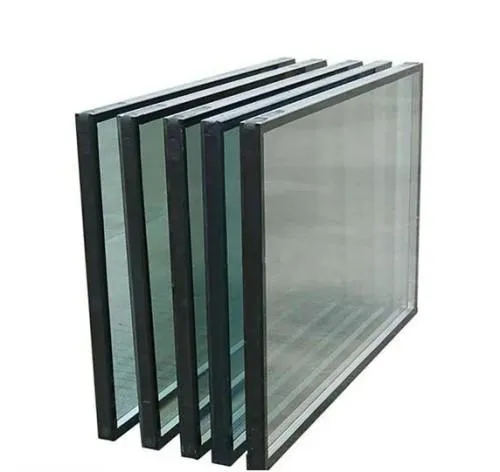

Secondly, we offer a wide range of products to suit different needs. Whether you're building an office building, a residential home, or a commercial complex, we have the right type of insulated glass for you. Our Office Insulated Glass, Roof Insulated Glass, and Ultra Clear Insulated Glass are all top - quality products that have been tested and proven.
Finally, our customer service is excellent. We're always here to answer your questions and help you choose the right product for your project. We can also provide you with technical support and advice on installation and maintenance.
Let's Talk
If you're interested in learning more about our Lowe Insulated Glass or have any questions about moisture infiltration, we'd love to hear from you. Whether you're an architect, a builder, or a homeowner, we can provide you with the information you need to make an informed decision. Contact us today to start a conversation about your insulated glass needs. We're ready to work with you to find the perfect solution for your project.
References
- Glass Association of North America. (2023). Insulated Glass Manufacturing Standards.
- National Fenestration Rating Council. (2023). Energy Performance of Insulated Glass.


