


Hey there! As a supplier of insulated glass, I've been getting a lot of questions lately about how this type of glass affects the view from inside a building. So, I thought I'd take a moment to dive into this topic and share some insights.
First off, let's talk about what insulated glass is. Insulated glass, also known as double - or triple - glazed glass, consists of two or more glass panes separated by a spacer and sealed around the edges. The space between the panes is usually filled with air or an inert gas like argon or krypton. This design helps to improve energy efficiency by reducing heat transfer, but how does it impact the view?
Clarity and Transparency
One of the key factors that people consider when it comes to the view from inside is clarity. Modern insulated glass offers excellent clarity, especially Ultra Clear Insulated Glass. This type of glass has a very low iron content, which means it has a high level of transparency. You can see outside almost as clearly as if there were no glass there at all.
The manufacturing process of insulated glass has also come a long way. The glass panes are carefully selected and processed to ensure a smooth surface. Any imperfections that could distort the view, like waves or bubbles, are minimized. So, when you're looking out through insulated glass, you're getting a clear, unobstructed view of the outside world.
Color and Tint
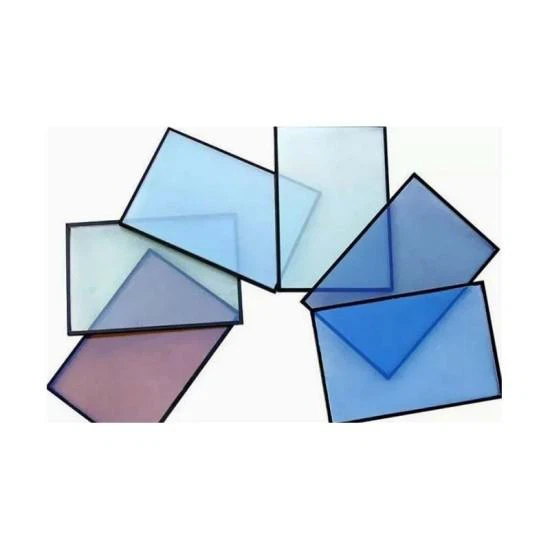
Insulated glass comes in a variety of colors and tints, and these can have a significant impact on the view. Clear glass, of course, provides a true - to - life view of the outside. But sometimes, you might want to add a bit of color or tint for different reasons.
For example, tinted insulated glass can reduce glare from the sun. If you're in a building that faces the sun directly for a large part of the day, glare can be a real problem. It can make it difficult to see outside clearly and can also be a nuisance when you're trying to work or relax indoors. A lightly tinted glass can cut down on that glare without sacrificing too much of the view.
There are also colored insulated glass options. Some buildings use blue - tinted or bronze - tinted glass for aesthetic reasons. These colors can give the building a unique look from the outside and can also create a different mood inside. The tinted glass can filter out some of the light, creating a softer, more subdued view. It's like looking through a slightly colored lens, which can add a touch of elegance to the overall experience.
Reflections
Another aspect to consider is reflections. Insulated glass can have different levels of reflectivity depending on the type of coating it has. Low - emissivity (low - e) coatings are commonly used on insulated glass. These coatings are designed to reduce heat transfer, but they can also affect reflections.
On one hand, a certain amount of reflectivity can be beneficial. It can help to hide the interior of the building from the outside, providing some privacy. From the inside, it can also reduce the amount of sunlight that reflects off the glass and back into the room, which can help with glare control.
However, too much reflectivity can be a problem. If the glass is too reflective, it can create a mirror - like effect. You might end up seeing more of the interior of the building or the sky reflected in the glass than the actual view outside. That's why it's important to choose the right level of reflectivity for your specific needs.
Application in Different Types of Windows
The type of window where the insulated glass is used also plays a role in how it affects the view.
Skylight Windows
Skylight Window Insulated Glass is a great example. Skylights offer a unique view of the sky and the surrounding area from above. Insulated glass in skylights needs to be strong enough to withstand different weather conditions while still providing a good view.
The design of skylight insulated glass is often optimized for maximum light transmission. Since skylights are usually installed on the roof, they receive a lot of direct sunlight. The insulated glass can help to reduce heat gain during the day while allowing you to enjoy a clear view of the sky, whether it's a sunny day or a star - filled night.
Curtain Walls
Curtain Wall Insulated Glass is used in large - scale commercial buildings. These walls are essentially a non - structural outer covering of the building. Insulated glass in curtain walls can give the building a sleek, modern look.
From the inside, the view through curtain wall insulated glass can be quite spectacular. You can have a panoramic view of the cityscape or the natural surroundings. The large expanse of glass allows for a wide - angle view, making you feel more connected to the outside world. And because of the energy - efficient properties of insulated glass, you can enjoy that view without having to worry too much about high energy costs.

Impact on Different Environments
The environment in which the building is located also matters. In a rural area with a beautiful natural landscape, you'll want the insulated glass to enhance the view of the trees, mountains, or fields. Clear or lightly tinted glass would be a great choice here, as it allows you to see the vivid colors and details of nature.
In an urban environment, on the other hand, you might be more concerned with reducing the visual impact of the surrounding buildings and traffic. Tinted or reflective glass can help to create a more private and less cluttered view. It can also add a bit of style to the building, making it stand out in the city skyline.
Conclusion
In conclusion, insulated glass can have a wide range of effects on the view from inside a building. It can provide excellent clarity, control glare, add color and style, and even enhance privacy. With the right choice of insulated glass, you can create a perfect balance between enjoying the view and meeting your energy - efficiency and aesthetic needs.
If you're in the market for insulated glass for your next project, whether it's a small residential window or a large commercial curtain wall, I'd love to have a chat with you. We can discuss your specific requirements, the best type of insulated glass for your situation, and how it will impact the view from inside. Contact me to start the conversation about your insulated glass needs.
References
- Glass Association of North America. (2023). Understanding Insulated Glass.
- International Window Film Association. (2023). Tinted and Reflective Glass for Buildings.


