


Insulated glass has become a staple in modern construction, offering a range of benefits from energy efficiency to noise reduction. As a supplier of insulated glass, I've witnessed firsthand the growing demand for this product. However, one question that often arises is how insulated glass affects the ventilation of a room. In this blog post, I'll delve into this topic, exploring the various aspects of insulated glass and its impact on room ventilation.
Understanding Insulated Glass
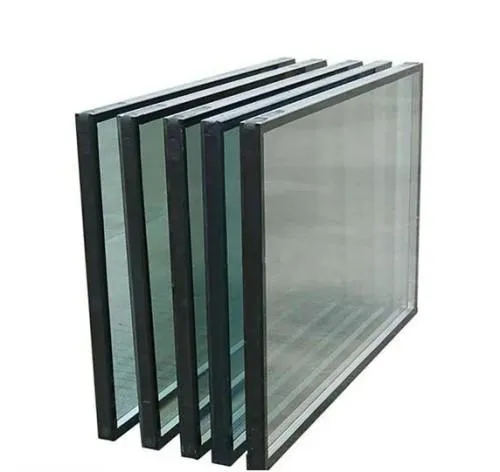
Insulated glass, also known as double - glazing or triple - glazing, consists of two or more glass panes separated by a spacer and sealed around the edges. The space between the panes is filled with air or an inert gas such as argon or krypton. This design creates a thermal barrier, reducing heat transfer between the interior and exterior of a building.
There are different types of insulated glass available in the market. Double Insulated Window Glass is the most common type, featuring two glass panes. It provides a good balance between cost and energy efficiency. Vacuum Insulated Glass, on the other hand, has a vacuum between the panes, offering superior insulation properties. Office Insulated Glass is specifically designed for commercial spaces, often with additional features like enhanced soundproofing.
Positive Effects of Insulated Glass on Ventilation
Controlled Air Exchange
Insulated glass can contribute to a more controlled form of ventilation. When windows are equipped with insulated glass, they can be designed with advanced ventilation systems. For example, some insulated windows come with trickle vents. These small vents allow a small, continuous flow of fresh air into the room. This controlled air exchange helps to maintain a healthy indoor environment by removing stale air and bringing in fresh oxygen, without causing a significant loss of heat during the cold months or a gain of heat in the summer.
Reduced Drafts
One of the main advantages of insulated glass is its ability to reduce drafts. Traditional single - pane windows often allow cold air to seep in around the edges, creating uncomfortable drafts. Insulated glass, with its sealed design, minimizes these drafts. This means that when the ventilation system is operating, the air movement is more uniform and less chaotic. As a result, the ventilation can be more effective in distributing fresh air throughout the room, rather than having it disrupted by cold drafts.
Protection from External Elements
Insulated glass provides a barrier against external elements such as rain, snow, and dust. This protection is crucial for ventilation systems. If a window is made of single - pane glass, rain or snow could enter the room through small cracks or gaps, potentially damaging the ventilation equipment. With insulated glass, the risk of such damage is significantly reduced. Additionally, the reduced infiltration of dust means that the air filters in the ventilation system will last longer and operate more efficiently, ensuring better overall ventilation.
Negative Effects of Insulated Glass on Ventilation
Limited Natural Ventilation
One of the drawbacks of insulated glass is that it can limit natural ventilation. Since insulated windows are designed to be airtight, opening them for natural cross - ventilation may not be as effective as with single - pane windows. The sealed nature of insulated glass reduces the amount of air that can flow through the window when it is opened. This can be a problem in situations where natural ventilation is preferred, such as in small rooms or in buildings where mechanical ventilation systems are not available or are not functioning properly.
Potential for Stagnant Air
In some cases, the high level of insulation provided by insulated glass can lead to stagnant air in the room. If the ventilation system is not properly designed or maintained, the lack of sufficient air exchange can cause pollutants, moisture, and odors to build up. For example, in a bathroom or a kitchen, where moisture and odors are common, if the ventilation is not adequate, the air can become stuffy and uncomfortable. The airtightness of insulated glass can exacerbate this problem by preventing the natural escape of these pollutants.
Dependency on Mechanical Ventilation
Insulated glass often makes buildings more dependent on mechanical ventilation systems. While these systems can provide effective ventilation, they also require energy to operate. In addition, mechanical ventilation systems need regular maintenance to ensure their proper functioning. If there is a power outage or a breakdown in the ventilation system, the lack of natural ventilation due to the insulated glass can lead to poor indoor air quality.
Mitigating the Negative Effects
Integrated Ventilation Design
To overcome the limitations of insulated glass on ventilation, an integrated ventilation design is essential. This involves working with architects, engineers, and ventilation experts to design a system that takes into account the properties of insulated glass. For example, the placement of ventilation ducts, the size and location of vents, and the type of ventilation system (such as exhaust - only, supply - only, or balanced ventilation) should be carefully considered. By integrating the ventilation design with the use of insulated glass, it is possible to achieve both good insulation and effective ventilation.

Smart Ventilation Systems
The use of smart ventilation systems can also help to mitigate the negative effects of insulated glass. These systems can be programmed to adjust the ventilation rate based on factors such as indoor air quality, humidity, and occupancy. For example, if the air quality sensor detects high levels of pollutants, the ventilation system can increase the air exchange rate. Smart ventilation systems can also be controlled remotely, allowing users to adjust the ventilation settings according to their needs.
Regular Maintenance
Regular maintenance of the ventilation system is crucial when using insulated glass. This includes cleaning or replacing air filters, checking the operation of fans and motors, and inspecting the ventilation ducts for leaks. By ensuring that the ventilation system is in good working condition, the potential problems associated with stagnant air and poor air quality can be avoided.
Conclusion
Insulated glass has both positive and negative effects on the ventilation of a room. On the one hand, it can contribute to controlled air exchange, reduced drafts, and protection from external elements. On the other hand, it can limit natural ventilation, lead to stagnant air, and increase dependency on mechanical ventilation. However, by implementing an integrated ventilation design, using smart ventilation systems, and performing regular maintenance, these negative effects can be mitigated.
As a supplier of insulated glass, I understand the importance of finding the right balance between insulation and ventilation. If you are considering using insulated glass for your next project, I encourage you to contact us for a consultation. Our team of experts can help you select the right type of insulated glass and design a ventilation system that meets your specific needs. Whether it's Double Insulated Window Glass, Vacuum Insulated Glass, or Office Insulated Glass, we have the products and knowledge to ensure a successful project.
References
- ASHRAE Handbook - HVAC Systems and Equipment. American Society of Heating, Refrigerating and Air - Conditioning Engineers.
- Building Regulations Approved Document F: Ventilation. UK Government.
- Insulated Glass Manufacturers Alliance (IGMA) Technical Manual.


