


When it comes to choosing the right material for various applications, Frost Tempered Glass and frosted acrylic are two popular options that often come into consideration. As a supplier of Frost Tempered Glass, I have witnessed firsthand the unique properties and advantages of this material, as well as how it compares to frosted acrylic. In this blog post, I will delve into the characteristics of both Frost Tempered Glass and frosted acrylic, highlighting their differences and helping you make an informed decision for your specific needs.
Physical Properties
Frost Tempered Glass
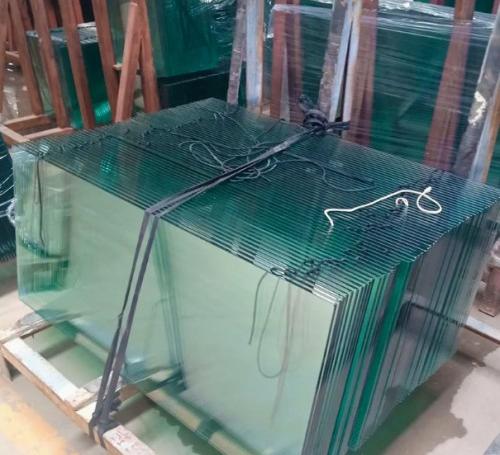
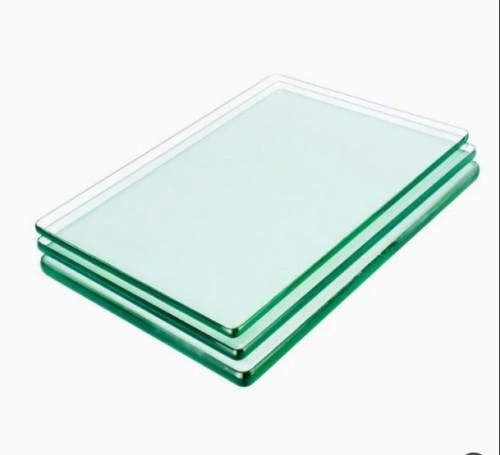
Frost Tempered Glass is a type of safety glass that undergoes a special tempering process. This process involves heating the glass to a high temperature and then rapidly cooling it, which creates internal stresses that increase the glass's strength. Frosted glass is created by sandblasting or acid-etching the surface of the glass, resulting in a translucent finish that obscures visibility while still allowing light to pass through.
One of the key advantages of Frost Tempered Glass is its high strength and durability. It is up to five times stronger than regular glass, making it resistant to impact and breakage. In the event that it does break, Frost Tempered Glass shatters into small, granular pieces rather than sharp shards, reducing the risk of injury. This makes it an ideal choice for applications where safety is a concern, such as in commercial buildings, schools, and hospitals.
Another benefit of Frost Tempered Glass is its heat resistance. It can withstand high temperatures without warping or cracking, making it suitable for use in areas exposed to heat sources, such as near stoves or in fireplaces. Additionally, Frost Tempered Glass is resistant to scratches and abrasions, maintaining its appearance and functionality over time.
Frosted Acrylic
Frosted acrylic, on the other hand, is a type of plastic that is treated to create a frosted finish. It is lightweight, flexible, and easy to fabricate, making it a popular choice for a variety of applications. Frosted acrylic can be cut, drilled, and shaped using standard tools, allowing for greater design flexibility.
One of the main advantages of frosted acrylic is its affordability. It is generally less expensive than Frost Tempered Glass, making it a cost-effective option for budget-conscious projects. Frosted acrylic is also lightweight, which makes it easier to handle and install, especially in large or complex installations.
However, frosted acrylic has some limitations compared to Frost Tempered Glass. It is not as strong or durable as glass and is more prone to scratches and damage. It can also be affected by heat and sunlight, which can cause it to yellow or become brittle over time. Additionally, frosted acrylic does not offer the same level of safety as Frost Tempered Glass, as it breaks into sharp pieces when shattered.
Aesthetic Appeal
Frost Tempered Glass
Frost Tempered Glass offers a sleek and sophisticated look that can enhance the aesthetic appeal of any space. The frosted finish creates a soft, diffused light that adds a touch of elegance and privacy. It can be used in a variety of applications, including windows, doors, partitions, and display cases, to create a modern and stylish look.
Frost Tempered Glass is available in a range of thicknesses and finishes, allowing for customization to meet specific design requirements. It can be combined with other materials, such as metal or wood, to create unique and eye-catching designs. Additionally, Frost Tempered Glass can be backlit to create a dramatic effect, making it a popular choice for architectural and interior design applications.
Frosted Acrylic
Frosted acrylic also offers a stylish and contemporary look, but its aesthetic appeal may be different from that of Frost Tempered Glass. The frosted finish on acrylic can give it a more plastic-like appearance, which may not be as desirable in some applications. However, frosted acrylic can be dyed or painted to achieve different colors and effects, allowing for greater customization.
Applications
Frost Tempered Glass
Frost Tempered Glass is suitable for a wide range of applications, including:
- Roofing: Roof Tempered Glass is commonly used in commercial and residential buildings to provide natural light while maintaining safety and durability. It can withstand harsh weather conditions and is resistant to UV radiation, making it a long-lasting option for roofing applications.
- Curtain Walls: Curtain Wall Tempered Glass is used in the construction of modern buildings to create a sleek and transparent facade. It provides insulation, reduces energy consumption, and enhances the overall aesthetic of the building.
- Display Cases: Display Tempered Glass is ideal for showcasing products in retail stores, museums, and galleries. It offers high clarity and visibility while protecting the displayed items from damage.
Frosted Acrylic
Frosted acrylic is commonly used in the following applications:
- Signage: Frosted acrylic is a popular choice for signage due to its affordability, lightweight, and ease of fabrication. It can be cut into various shapes and sizes and illuminated from behind to create eye-catching signs.
- Light Fixtures: Frosted acrylic is often used in light fixtures to diffuse light and create a soft, ambient glow. It can be used in pendant lights, wall sconces, and ceiling fixtures to add a touch of elegance to any space.
- Crafts and DIY Projects: Frosted acrylic is a versatile material that can be used in a variety of crafts and DIY projects. It can be used to create jewelry, coasters, picture frames, and other decorative items.
Conclusion
In conclusion, both Frost Tempered Glass and frosted acrylic have their own unique properties and advantages. Frost Tempered Glass offers superior strength, durability, and safety, making it an ideal choice for applications where these factors are important. It also provides a sleek and sophisticated aesthetic that can enhance the look of any space. On the other hand, frosted acrylic is more affordable, lightweight, and easy to fabricate, making it a cost-effective option for budget-conscious projects and applications that require greater design flexibility.
When choosing between Frost Tempered Glass and frosted acrylic, it is important to consider your specific needs, budget, and the intended application. If you are looking for a high-quality, long-lasting material that offers superior safety and performance, Frost Tempered Glass is the way to go. However, if you are on a tight budget or need a material that is easy to work with, frosted acrylic may be a better option.
As a supplier of Frost Tempered Glass, I am committed to providing high-quality products and excellent customer service. If you have any questions or would like to discuss your specific requirements, please do not hesitate to contact me. I would be happy to assist you in making the right choice for your project.
References
- Glass Association of North America. (n.d.). Tempered Glass. Retrieved from [Website URL]
- Plastics Industry Association. (n.d.). Acrylic Plastics. Retrieved from [Website URL]


