


Vacuum insulated glass (VIG) has emerged as a revolutionary solution in the realm of energy - efficient glazing. It offers superior thermal insulation compared to traditional double - or triple - glazed windows, making it an attractive option for both residential and commercial buildings. One question that often arises among architects, builders, and homeowners is whether vacuum insulated glass can be tinted. In this blog post, I'll explore this topic in detail as a supplier of vacuum insulated glass.
Understanding Vacuum Insulated Glass
Before delving into the tinting aspect, it's essential to understand how vacuum insulated glass works. VIG consists of two or more glass panes separated by a narrow vacuum gap. The vacuum acts as an excellent thermal insulator because it eliminates heat transfer through conduction and convection. Small support pillars are placed between the glass panes to prevent them from collapsing under atmospheric pressure.
The main advantage of VIG is its high thermal performance. It can significantly reduce heat loss in winter and heat gain in summer, leading to lower energy consumption for heating and cooling. This energy efficiency not only helps to reduce utility bills but also contributes to a more sustainable built environment.
The Concept of Tinting
Tinting glass involves applying a thin layer of material to the glass surface or incorporating tinting agents into the glass during the manufacturing process. Tinted glass can have several benefits. It can reduce solar heat gain by absorbing or reflecting a portion of the sun's infrared and ultraviolet radiation. This is particularly useful in sunny climates where excessive solar heat can cause discomfort and increase the load on air - conditioning systems.
Tinted glass also offers privacy by reducing the visibility from the outside, especially during the day. In addition, it can enhance the aesthetic appeal of a building, giving it a sleek and modern look.
Can Vacuum Insulated Glass be Tinted?
The short answer is yes, vacuum insulated glass can be tinted. There are two main ways to achieve tinting in VIG:
1. Pre - tinted Glass Panes
One approach is to use pre - tinted glass panes when manufacturing the vacuum insulated glass. The glass can be tinted during the float glass production process by adding metal oxides or other tinting agents to the molten glass. This results in a uniform tint throughout the glass pane.
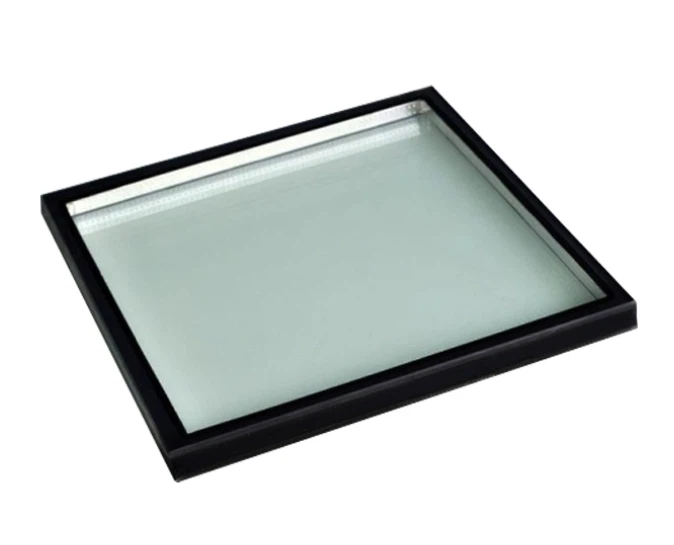

When using pre - tinted glass for VIG, the tinting does not interfere with the vacuum insulation performance. The vacuum gap between the glass panes still provides excellent thermal insulation, and the tinted glass can further enhance the solar control properties of the VIG. For example, a dark - tinted VIG can significantly reduce solar heat gain while maintaining good thermal insulation against cold outside temperatures.
2. Tinted Coatings
Another method is to apply a tinted coating to the glass surface. These coatings are usually thin films that can be applied during the VIG manufacturing process or retrofitted onto existing VIG units. Tinted coatings can be designed to have specific solar control properties, such as selective absorption or reflection of different wavelengths of light.
However, when using tinted coatings on VIG, it's important to ensure that the coating does not affect the integrity of the vacuum seal. The coating should be compatible with the VIG manufacturing process and not cause any outgassing or other issues that could compromise the vacuum.
Benefits of Tinted Vacuum Insulated Glass
Energy Efficiency
Tinted vacuum insulated glass combines the energy - saving benefits of vacuum insulation with the solar control properties of tinting. In summer, the tinted glass reduces solar heat gain, while the vacuum insulation prevents heat from entering the building through conduction. In winter, the vacuum insulation keeps the heat inside, and the tinted glass can still provide some level of solar gain if the tint is not too dark.
Comfort
By reducing solar heat gain, tinted VIG can create a more comfortable indoor environment. It can prevent overheating in sunny rooms and reduce glare on televisions, computer screens, and other surfaces. The privacy provided by tinted glass also adds to the overall comfort of the occupants.
Aesthetics
Tinted glass can enhance the appearance of a building. It can give a building a contemporary and stylish look, and the choice of tint color can be coordinated with the building's architecture and surrounding environment.
Considerations when Tinting Vacuum Insulated Glass
1. Tint Color and Intensity
The choice of tint color and intensity depends on several factors, including the building's location, orientation, and the desired level of solar control and privacy. Darker tints provide better solar heat gain reduction but may also reduce the amount of natural light entering the building. Lighter tints can offer a balance between solar control and daylighting.
2. Compatibility with Other Building Systems
Tinted VIG should be compatible with other building systems, such as window frames and seals. The tinting should not cause any chemical reactions or degradation of these components over time.
3. Cost
Tinted glass generally costs more than clear glass. When considering tinted vacuum insulated glass, it's important to weigh the additional cost against the potential energy savings and other benefits.
Other Types of Insulated Glass
In addition to tinted vacuum insulated glass, there are other types of insulated glass that may be suitable for different applications:
- Roof Insulated Glass: This type of insulated glass is specifically designed for use in roofs. It needs to have good thermal insulation properties as well as the ability to withstand the elements, such as rain, snow, and sunlight.
- Reflective Insulated Glass: Reflective insulated glass has a reflective coating that can reflect a large portion of the sun's radiation. It is often used in commercial buildings to reduce solar heat gain and improve energy efficiency.
- Triple Glazing Glass: Triple glazing glass consists of three glass panes separated by two air or gas - filled cavities. It offers even better thermal insulation than double - glazing but may be more expensive.
Conclusion
In conclusion, tinting vacuum insulated glass is a viable option that can offer several benefits, including improved energy efficiency, comfort, and aesthetics. Whether you choose pre - tinted glass panes or tinted coatings, it's important to work with a reputable supplier who can ensure the quality and performance of the tinted VIG.
As a supplier of vacuum insulated glass, we have the expertise and experience to provide tinted VIG solutions tailored to your specific needs. If you are interested in learning more about our tinted vacuum insulated glass products or have any questions regarding their application, we encourage you to contact us for a detailed discussion. Our team of experts is ready to assist you in making the right choice for your building project.
References
- Glass Association of North America. (2023). "Glass Performance and Properties."
- International Glazing Association. (2023). "Guide to Insulated Glass."


